
Blog

How to Keep Your Home Smelling Fresh with HVAC Solutions

Greg Nelson

Table of Contents

A clean, fresh-smelling home is welcoming and comfortable, but lingering odors from pets, cooking, or humidity can be frustrating. Fortunately, your HVAC system can do more than regulate temperature—it can help keep your home smelling great all year long. Here are some expert HVAC solutions and tips to maintain a consistently fresh indoor environment.

1. Upgrade Your Air Filters

Your HVAC system’s air filter is your first line of defense against airborne particles that cause odors. Standard filters trap dust and debris, but high-efficiency filters, such as HEPA or carbon-activated filters, can capture odor-causing particles, pet dander, and pollutants. Changing your filter every 1-3 months ensures optimal air quality and freshness.

2. Install a Whole-Home Air Purifier

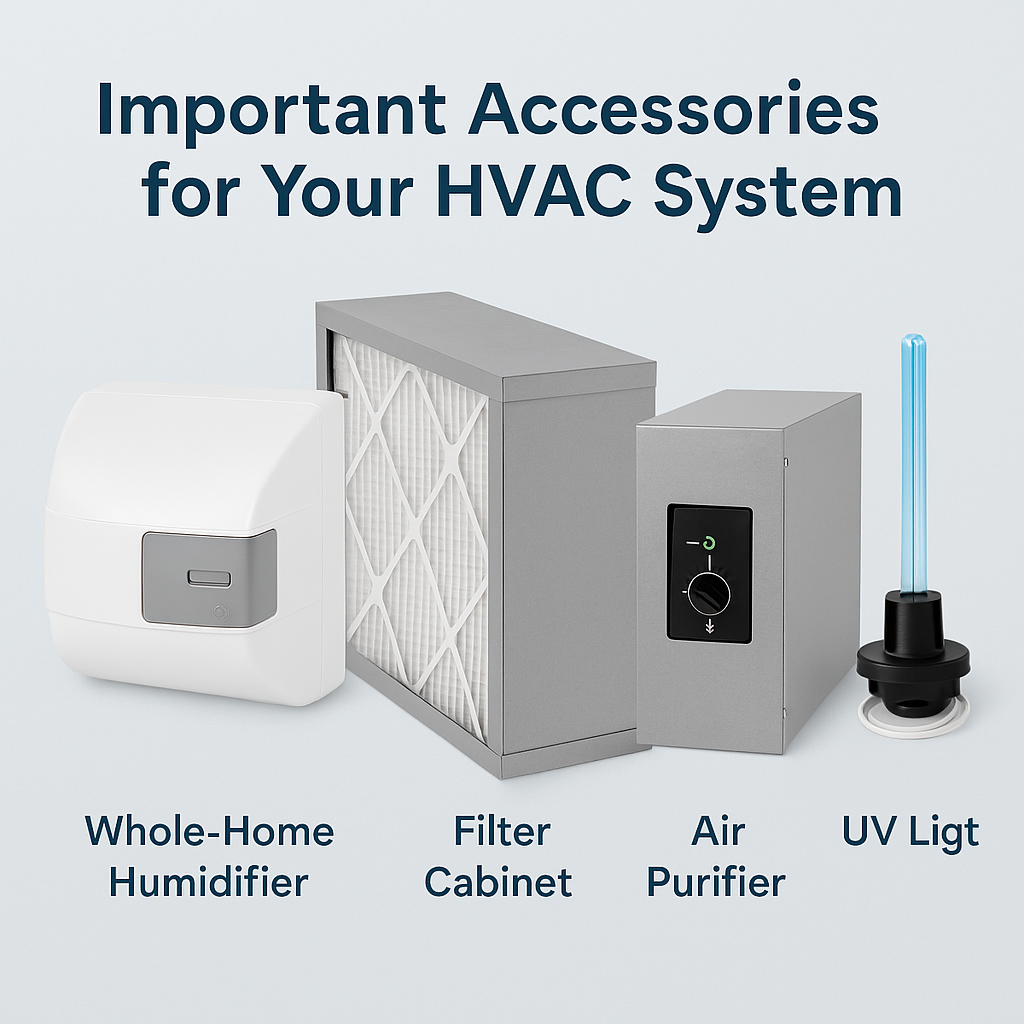
Air purifiers work alongside your HVAC system to remove airborne bacteria, mold spores, and other odor-causing particles. UV air purifiers help neutralize bacteria and germs, while activated carbon purifiers absorb unwanted smells from cooking, pets, and smoke, leaving your indoor air cleaner and fresher. Unlike store-bought air fresheners that only mask odors temporarily and may contain harmful chemicals, whole-home air purifiers tackle odors at the source and provide a long-lasting solution for fresh indoor air.

3. Use a Whole-Home Dehumidifier

Excess moisture can lead to musty odors and mold growth. A whole-home dehumidifier maintains proper humidity levels, preventing mold and mildew from developing and eliminating damp, stale air. Keeping indoor humidity between 30-50% helps maintain a fresh-smelling home.

4. Keep Your Ductwork Clean

Over time, dust, pet hair, and debris accumulate in your ductwork, trapping odors that recirculate through your home. Professional duct cleaning removes built-up contaminants and prevents stale air from lingering. Sealing any duct leaks can also help prevent odors from infiltrating your home from attics, basements, or crawl spaces.

5. Incorporate HVAC-Friendly Air Fresheners

Instead of relying on chemical-based air fresheners that mask odors, consider natural alternatives. Essential oil diffusers or HVAC-compatible scent systems distribute pleasant fragrances evenly throughout your home without overpowering the air. Be sure to use HVAC-safe options that won’t clog filters or affect system performance.

6. Ensure Proper Ventilation

Cooking, pets, and household activities can introduce odors into your home. Proper ventilation, such as using exhaust fans in kitchens and bathrooms, helps remove unwanted smells and improve air circulation. A whole-home ventilation system, like an Energy Recovery Ventilator (ERV) or Heat Recovery Ventilator (HRV), continuously exchanges stale indoor air with fresh outdoor air, maintaining a pleasant indoor environment.

7. The Benefits of Whole-Home Air Purifiers and UV Lights

Whole-home air purifiers and UV lights are powerful tools for keeping your home smelling fresh without the need for pricy air fresheners that don’t last and may emit harmful chemicals. UV lights help eliminate bacteria, mold, and viruses that cause musty odors, while air purifiers with activated carbon filters trap and remove unwanted smells. These systems work continuously, providing a healthier, cleaner, and fresher-smelling home environment.

8. Regularly Maintain Your HVAC System

Routine HVAC maintenance, including cleaning coils, replacing filters, and checking for any issues, helps ensure that your system operates efficiently and doesn’t contribute to musty or stale odors. Scheduling regular maintenance with a professional HVAC technician helps keep your air fresh and clean.

Enjoy a Fresh-Smelling Home Year-Round

With the right HVAC solutions, you can eliminate odors at the source and maintain a consistently fresh home. Whether you need an air purifier, or system maintenance, Service First Heating and Cooling is here to help. Contact us today to learn more about improving your indoor air quality and keeping your home smelling great every day!

RELATED POSTS

How Much Do HVAC Repairs Cost in Columbus, Ohio? A Simple Guide for Homeowners Cost in Columbus, Ohio?

How much do HVAC repairs cost in Columbus? Learn typical price ranges, what affects costs, and why a diagnostic gives clear, upfront pricing.

Learn More

Winter-Ready Home: 4 HVAC Accessories That Make a Big Difference

Breathe easier this winter with smart HVAC upgrades that make your home more comfortable, efficient, and healthy. From filter cabinets that trap dust and allergens, to whole-home humidifiers that ease winter dryness, to UV lights and air purifiers that improve indoor air quality — these simple add-ons can make a big difference in how your home feels and functions.\

Learn More

🔥 Why Heating Tune-Ups Are So Important for Your Home ❄️

A heating tune-up does more than keep your furnace running — it keeps your family safe, lowers energy bills, and helps prevent costly breakdowns. Learn why routine maintenance is one of the smartest investments you can make before winter hits.

Learn More

Back-to-School Germs? Your HVAC System Can Help Keep Your Home Healthier

Back-to-school season brings more than just new routines—it also brings an increase in germs and allergens entering your home. As kids return to the classroom, your HVAC system can play a vital role in protecting your family’s health. From high-efficiency filters to air purifiers and humidity control, learn how improving your indoor air quality can reduce the spread of illness and keep your home healthier this school year with Service First Heating and Cooling.

Learn More

Bigger Isn’t Better: The Problems with an Oversized A/C

Think a bigger HVAC system means better performance? Think again. An oversized air conditioner or furnace can lead to short cycling, higher energy bills, uneven temperatures, and poor humidity control. In this post, we explain why proper system sizing is essential for year-round comfort and long-term efficiency — and how Service First Heating and Cooling gets it right.

Learn More

Time Is Running Out: Claim the HVAC Tax Credit Before It Ends in 2025

The Energy Efficient Home Improvement Tax Credit (25C) is ending after December 31, 2025, due to the One Big Beautiful Bill. If you're planning to upgrade your HVAC system, now is the time to act. This federal tax credit offers up to $3,200 annually for qualifying energy-efficient improvements—but only if your system is installed and operational before the deadline. Don’t miss your chance to save—call Service First Heating and Cooling today for your free estimate.

Learn More

The Hidden Dangers of High Humidity in Your Home — and What It Means for Your A/C and Air Quality

Is Your Home Feeling Damp, Sticky, or Musty? High humidity indoors doesn’t just make your home uncomfortable — it can strain your A/C, spike your energy bills, and even lead to mold and poor air quality. From oversized A/C units to leaky ductwork, find out what could be causing excess moisture in your home and how to fix it before it leads to costly damage.

Learn More

Why Isn’t My A/C Blowing Cold Air? 7 Common Reasons and What to Do

Is your A/C running but not cooling your home? Don’t sweat it—there are several common reasons your system might be blowing warm air instead of cold. In this post, we’ll walk you through the most likely causes, from thermostat settings and dirty filters to low refrigerant or frozen coils. Learn how to troubleshoot the issue and when it’s time to call in a pro to get your comfort back on track.

Learn More

Here Comes the Cottonwood — Is Your A/C Ready?

As cottonwood trees release their fluffy seeds across Ohio, your air conditioner could be in serious trouble. Those white tufts may seem harmless, but they clog outdoor coils, restrict airflow, and even cause breakdowns. In this post, we’ll explain how cottonwood affects your system, what signs to watch for, and how to protect your A/C before you're left sweating.

Learn More

Why a Quality A/C Installation Matters More Than You Think

Think a new A/C unit is all you need for comfort and savings? Think again. Even the best equipment can underperform if it’s not installed properly. In this post, we break down why a quality installation is critical to your system’s efficiency, reliability, and lifespan—and how cutting corners could cost you more in the long run.

Learn More
Previous
Next