Blog

What’s Included in a Spring HVAC Maintenance Visit?

Greg Nelson

Table of Contents

As the temperatures rise and summer approaches, ensuring your HVAC system is in top shape is crucial for a comfortable home. A spring HVAC maintenance visit is the best way to prepare your system for the hot months ahead, ensuring efficiency, reliability, and cost savings. But what exactly happens during a professional maintenance visit? Here’s what you can expect:

1. Comprehensive System Inspection

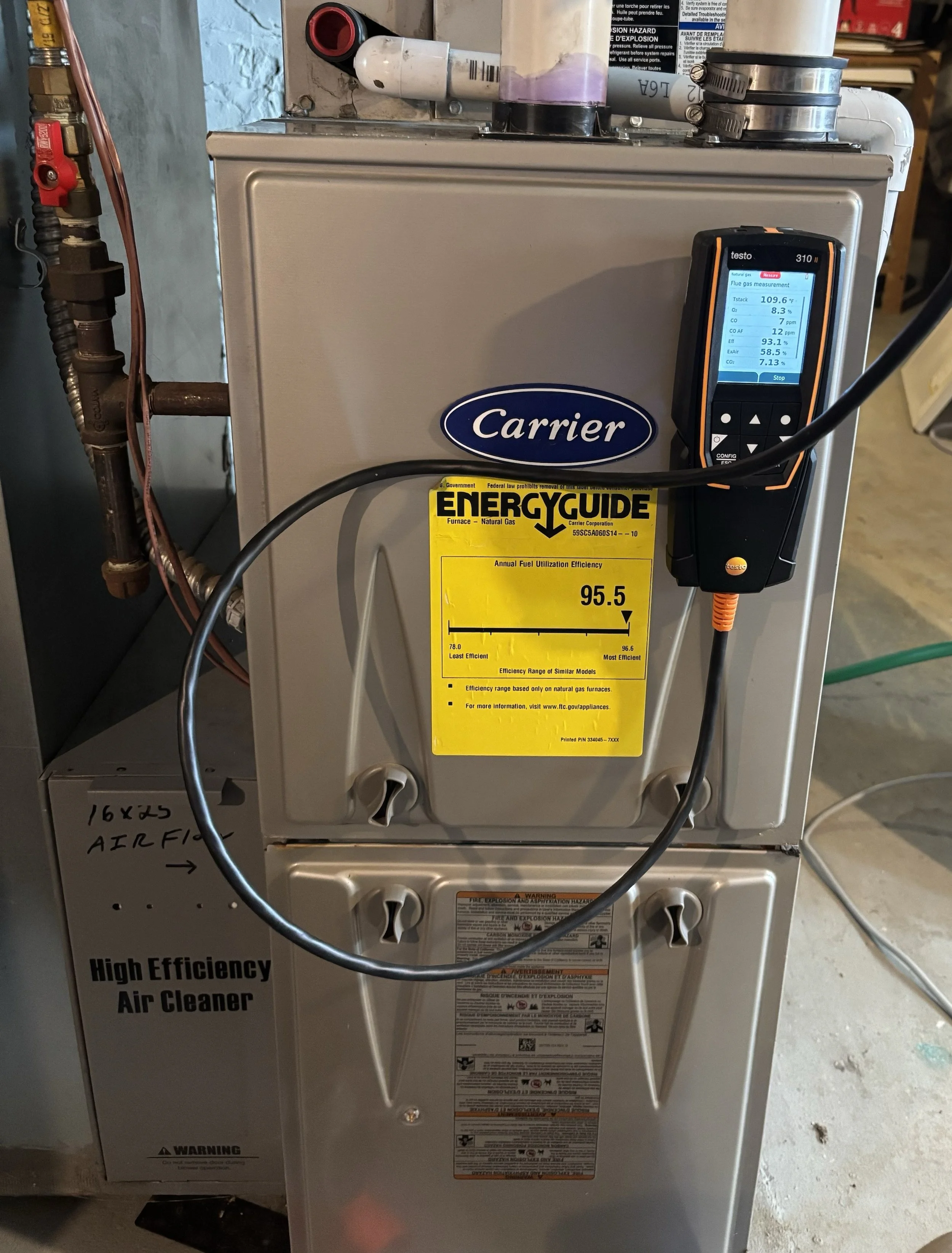
A trained technician will perform a full inspection of your HVAC system, checking for wear and tear, potential issues, and signs of inefficiency. This helps catch minor problems before they turn into costly repairs.

2. Air Filter Inspection/Replacement

Dirty or clogged air filters can restrict airflow, making your system work harder and increasing energy costs. During maintenance, the technician will check your filters as needed to ensure proper airflow and indoor air quality. They will replace a customer-supplied filter if needed.

3. Cleaning and Removing Debris

Dirt, dust, and debris can accumulate in your system, affecting performance. The technician will inspect and clean/wash the condenser coil, readily accessible evaporator coils, and drain pans to enhance efficiency and prevent breakdowns.

4. Checking Refrigerant Levels

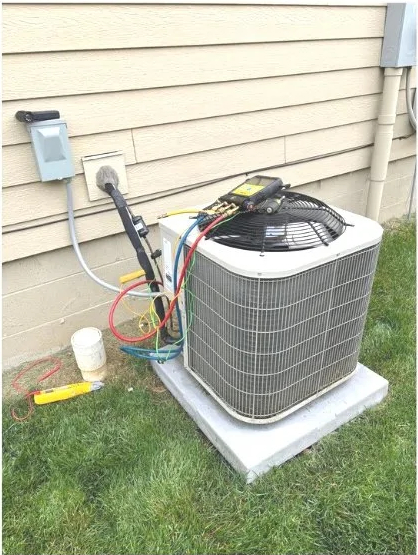
Low refrigerant levels can impact cooling performance and cause strain on your system. The technician will measure refrigerant levels, ensuring your AC provides optimal cooling throughout the summer.

5. Inspecting Electrical Components

Loose or faulty electrical connections can pose safety hazards and reduce efficiency. A professional will tighten connections, inspect wiring, and test capacitors and relays to ensure everything is functioning correctly.

6. Testing the Thermostat

An improperly calibrated thermostat can lead to inconsistent temperatures and higher energy bills. The technician will test and calibrate your thermostat to ensure accurate temperature control.

7. Checking and Clearing the Condensate Drain Line

A clogged condensate drain line can cause water damage and mold growth. The technician will inspect and clear the line to prevent any blockages or leaks.

8. Lubricating Moving Parts

Friction between moving parts can cause unnecessary wear and tear on your system. Lubrication ensures smooth operation, reduces strain, and extends the life of your HVAC components.

9. Inspecting the Ductwork

Leaky or dirty ducts can lead to inefficient cooling and poor indoor air quality. The technician will check for leaks, blockages, or excessive dust buildup, recommending any necessary repairs or cleaning.

10. Performance Testing

Finally, the technician will run a full system test to ensure everything is working correctly. They’ll check airflow, measure temperature output, and confirm that your HVAC system is ready for summer.

Schedule Your Spring HVAC Maintenance Today!

A spring HVAC tune-up ensures your system runs efficiently, reduces the risk of breakdowns, and helps lower energy costs. Don’t wait until the summer heat arrives—schedule your maintenance visit with Service First Heating and Cooling today and enjoy a worry-free cooling season!

RELATED POSTS

How Much Do HVAC Repairs Cost in Columbus, Ohio? A Simple Guide for Homeowners

Cost in Columbus, Ohio?

How much do HVAC repairs cost in Columbus? Learn typical price ranges, what affects costs, and why a diagnostic gives clear, upfront pricing.

Learn More

Winter-Ready Home: 4 HVAC Accessories That Make a Big Difference

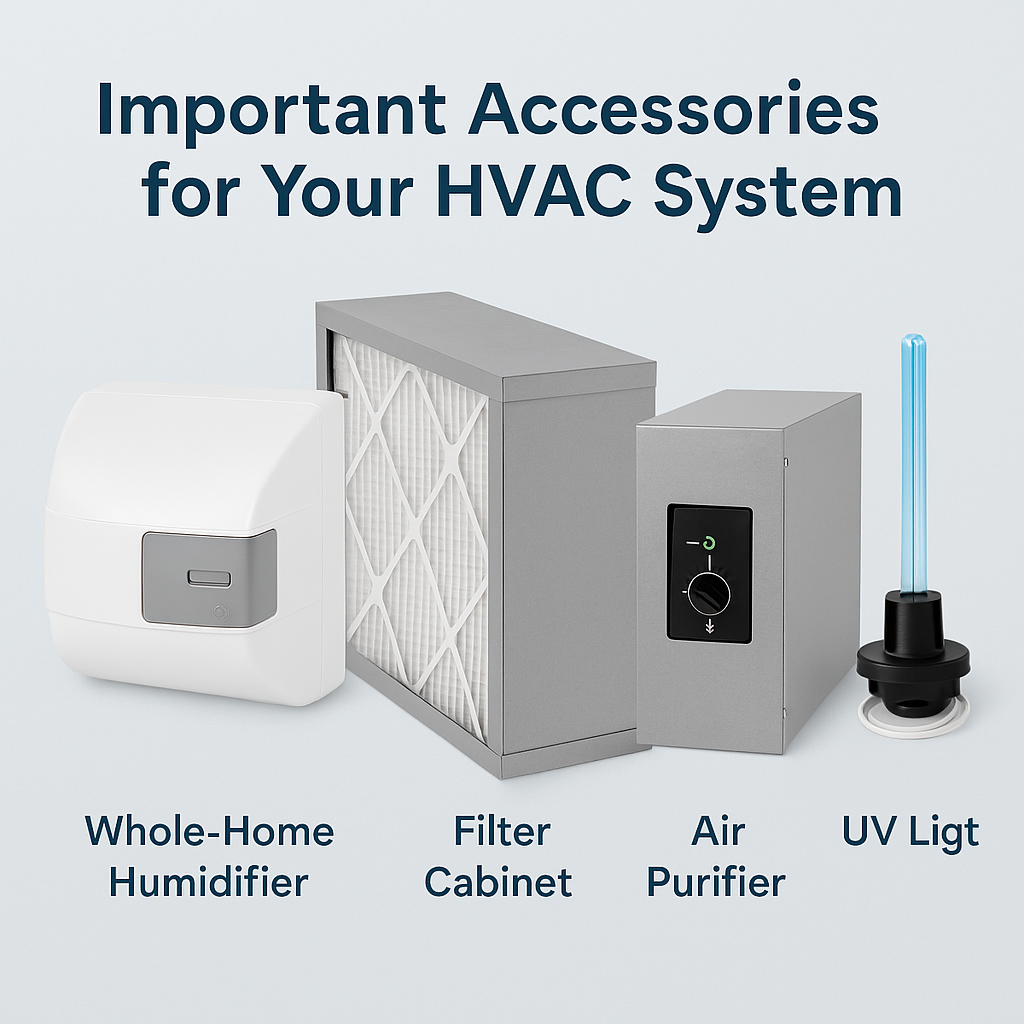
Breathe easier this winter with smart HVAC upgrades that make your home more comfortable, efficient, and healthy. From filter cabinets that trap dust and allergens, to whole-home humidifiers that ease winter dryness, to UV lights and air purifiers that improve indoor air quality — these simple add-ons can make a big difference in how your home feels and functions.\

Learn More

🔥 Why Heating Tune-Ups Are So Important for Your Home ❄️

A heating tune-up does more than keep your furnace running — it keeps your family safe, lowers energy bills, and helps prevent costly breakdowns. Learn why routine maintenance is one of the smartest investments you can make before winter hits.

Learn More

Back-to-School Germs? Your HVAC System Can Help Keep Your Home Healthier

Back-to-school season brings more than just new routines—it also brings an increase in germs and allergens entering your home. As kids return to the classroom, your HVAC system can play a vital role in protecting your family’s health. From high-efficiency filters to air purifiers and humidity control, learn how improving your indoor air quality can reduce the spread of illness and keep your home healthier this school year with Service First Heating and Cooling.

Learn More

Bigger Isn’t Better: The Problems with an Oversized A/C

Think a bigger HVAC system means better performance? Think again. An oversized air conditioner or furnace can lead to short cycling, higher energy bills, uneven temperatures, and poor humidity control. In this post, we explain why proper system sizing is essential for year-round comfort and long-term efficiency — and how Service First Heating and Cooling gets it right.

Learn More

Time Is Running Out: Claim the HVAC Tax Credit Before It Ends in 2025

The Energy Efficient Home Improvement Tax Credit (25C) is ending after December 31, 2025, due to the One Big Beautiful Bill. If you're planning to upgrade your HVAC system, now is the time to act. This federal tax credit offers up to $3,200 annually for qualifying energy-efficient improvements—but only if your system is installed and operational before the deadline. Don’t miss your chance to save—call Service First Heating and Cooling today for your free estimate.

Learn More

The Hidden Dangers of High Humidity in Your Home — and What It Means for Your A/C and Air Quality

Is Your Home Feeling Damp, Sticky, or Musty? High humidity indoors doesn’t just make your home uncomfortable — it can strain your A/C, spike your energy bills, and even lead to mold and poor air quality. From oversized A/C units to leaky ductwork, find out what could be causing excess moisture in your home and how to fix it before it leads to costly damage.

Learn More

Summer Storms and the Impact on Your A/C: What Homeowners Need to Know

Summer storms can do more than dampen your day—they can damage your A/C. From power surges and flooding to flying debris and hail, your HVAC system is more vulnerable than you might think. In this post, we break down how storms impact your air conditioner and share simple steps you can take to protect your system (and your comfort) all season long.

Learn More

Why Your A/C Struggles in Extreme Heat (And What You Can Do About It)

When the heat index soars into the triple digits, even a perfectly working A/C unit can struggle to keep up. But that doesn’t always mean it’s broken—it may just be working against its limits. In this post, we break down why your system might be falling behind during extreme heat and share practical tips to help your home stay as cool and comfortable as possible.

Learn More

Why Isn’t My A/C Blowing Cold Air? 7 Common Reasons and What to Do

Is your A/C running but not cooling your home? Don’t sweat it—there are several common reasons your system might be blowing warm air instead of cold. In this post, we’ll walk you through the most likely causes, from thermostat settings and dirty filters to low refrigerant or frozen coils. Learn how to troubleshoot the issue and when it’s time to call in a pro to get your comfort back on track.

Learn More
Previous
Next