
The backpacks are packed, the buses are rolling, and school is back in session—which also means an uptick in sniffles, sneezes, and germs making their way into your home.
As parents know all too well, the start of a new school year often comes with more than homework and handouts—it also brings an increase in colds, viruses, and allergens. But here’s something many families overlook: your HVAC system can be your first line of defense against airborne germs and poor indoor air quality.
Let’s take a look at how your heating and cooling system, when equipped with the right solutions, can help create a healthier home environment.
🦠 Germs and Allergens Come Home Too
When kids go back to school, they’re exposed to crowded classrooms, shared supplies, and plenty of opportunities to pick up viruses and bacteria. Once home, those same germs circulate through your indoor air—especially if your HVAC system isn't equipped to filter and clean it properly.
In fact, indoor air can be up to 5 times more polluted than outdoor air, according to the EPA. That’s why managing indoor air quality (IAQ) is so important, especially during the fall and winter months when your windows stay closed and HVAC systems run more often.
💨 How Your HVAC System Can Help
With a few smart upgrades or maintenance checks, your HVAC system can do more than just keep you comfortable—it can actually help protect your family’s health.
Here’s how:
1. High-Efficiency Air Filters
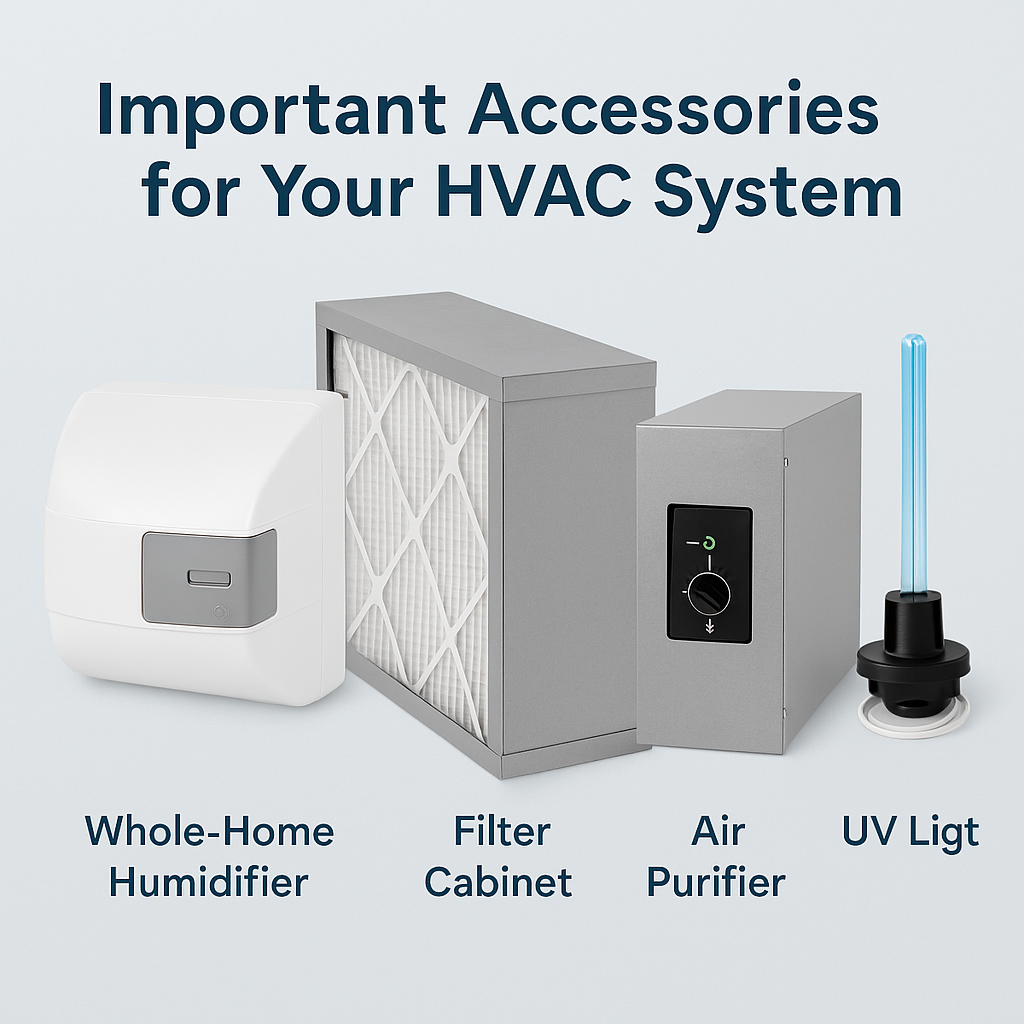
Upgrading to a MERV 11 or higher filter can capture more particles like dust, pollen, and even bacteria. These filters trap airborne irritants before they’re recirculated through your home.
2. Air Purifiers & UV Lights
Whole-home air purification systems and UV germicidal lights can help eliminate pathogens like bacteria, viruses, and mold spores from the air as it passes through your HVAC system.
3. Humidity Control
Maintaining proper humidity (ideally between 40–60%) can make it harder for viruses to survive and spread. Whole-home humidifiers or dehumidifiers can help balance moisture levels.
4. Duct Cleaning and Sealing
Dusty, dirty ductwork can harbor allergens and contribute to poor air quality. A professional duct cleaning can remove built-up contaminants, and sealing ducts can prevent outside pollutants from entering your system.
5. Regular Maintenance
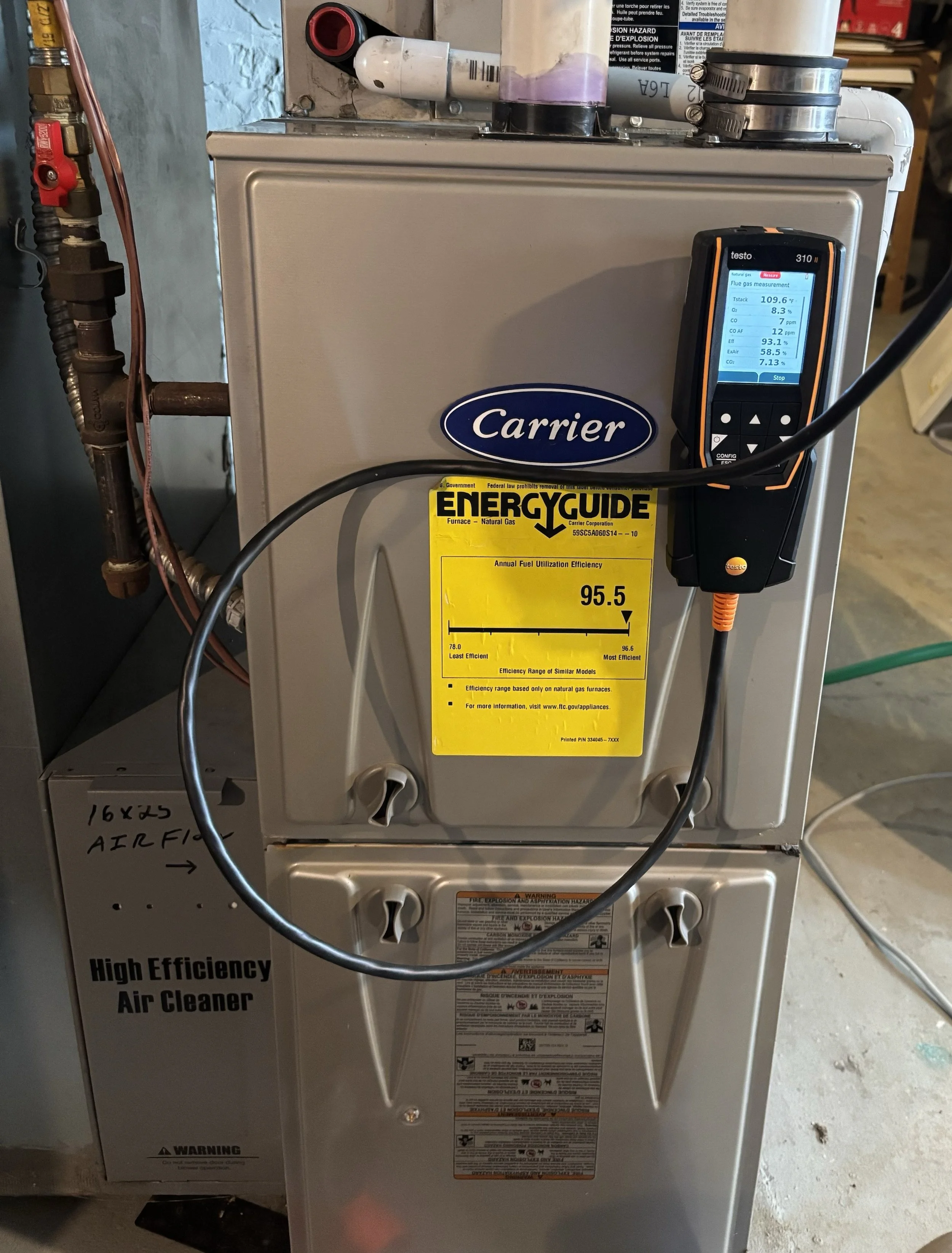
Routine HVAC maintenance ensures your system is clean and running efficiently. It also gives your technician a chance to check for IAQ issues like clogged filters, excess dust, or moisture buildup.
👨👩👧 Why It Matters for Your Family
Better indoor air quality means:
- Fewer allergy and asthma flare-ups
- Reduced spread of viruses and colds
- Improved sleep quality and focus
- Healthier lungs—especially important for young children and the elderly
If your home feels stuffy, dusty, or you notice your family getting sick more often after school starts, it may be time to take a closer look at your air quality.
🏠 Let’s Get Your Home Ready for the School Season
As your local indoor air quality experts, Service First Heating and Cooling can help you choose the right IAQ solutions for your home—from air purifiers and upgraded filters to whole-home humidifiers and maintenance plans.
📞 Call today 614-795-3098 or BOOK ONLINE to schedule your fall tune-up or indoor air quality assessment.
Let’s make sure your home is not just comfortable—but clean and healthy too.


.webp)