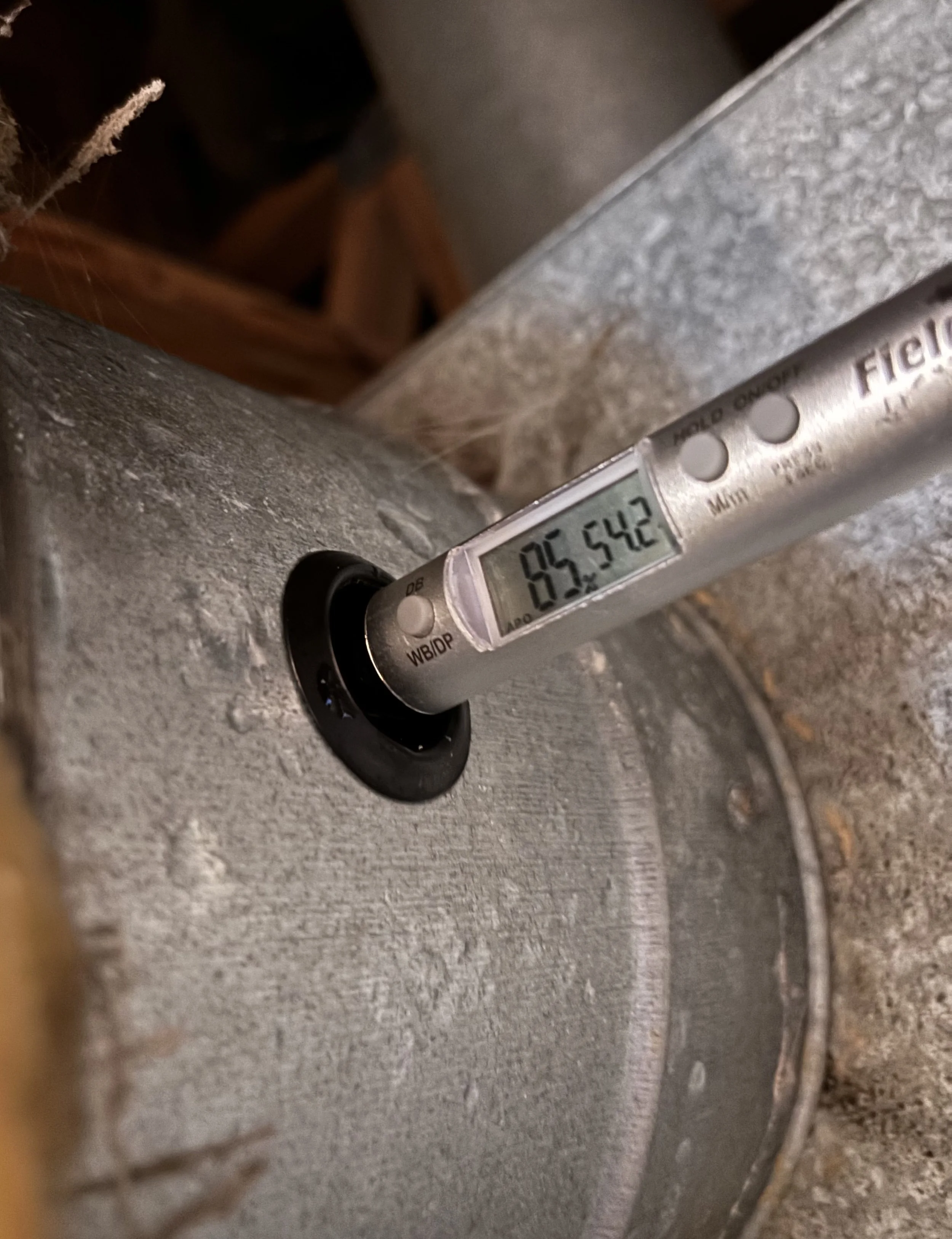
When most people think of humidity, they think of sticky summer air or frizzy hair. But high humidity inside your home can be more than just uncomfortable — it can damage your HVAC system, increase energy bills, and even affect your health.
Let’s break down why keeping indoor humidity in check is so important — and what might be causing it in the first place.
💡 What Causes High Indoor Humidity?
- Improper Ductwork
Leaky or uninsulated ductwork can pull in warm, humid air from attics, crawl spaces, or unconditioned basements — and circulate it throughout your home. - Oversized A/C Units
Bigger isn’t always better. If your air conditioner is too large for your home, it will cool the space too quickly and shut off before it has time to remove enough moisture from the air — a process called short cycling. The result? A cold but clammy home. - Poor Ventilation
Bathrooms, kitchens, and laundry rooms generate a lot of moisture. Without proper exhaust fans or ventilation, this humidity lingers and spreads throughout the house. - A/C System Maintenance Issues
Dirty evaporator coils, clogged condensate drains, or low refrigerant levels can reduce your system’s ability to dehumidify the air efficiently. - Tight Home Construction Without Proper Controls
Newer homes are built tighter for energy efficiency, but without the right ventilation and dehumidification solutions, moisture can accumulate quickly.
🌡️ How High Humidity Affects Your Air Conditioner
- Increased Wear and Tear: Your A/C has to work harder and longer, leading to more frequent breakdowns and a shorter system lifespan.
- Higher Energy Bills: You may lower the thermostat to feel comfortable, but that just increases energy use without solving the humidity issue.
- Condensation Damage: Excess moisture inside your HVAC system can cause corrosion, mold, or water damage to components and ductwork.
🦠 How It Impacts Indoor Air Quality
High humidity fosters the perfect environment for:
- Mold, mildew, and organic growth (on walls, ceilings, or inside ducts and HVAC system)
- Dust mites and bacteria
- Musty odors and persistent dampness
- Increased allergy and asthma symptoms
This is especially concerning for young children, seniors, and anyone with respiratory conditions.
✅ What You Can Do About It
- Schedule an HVAC inspection. We’ll check for duct leaks, drainage issues, and equipment sizing.
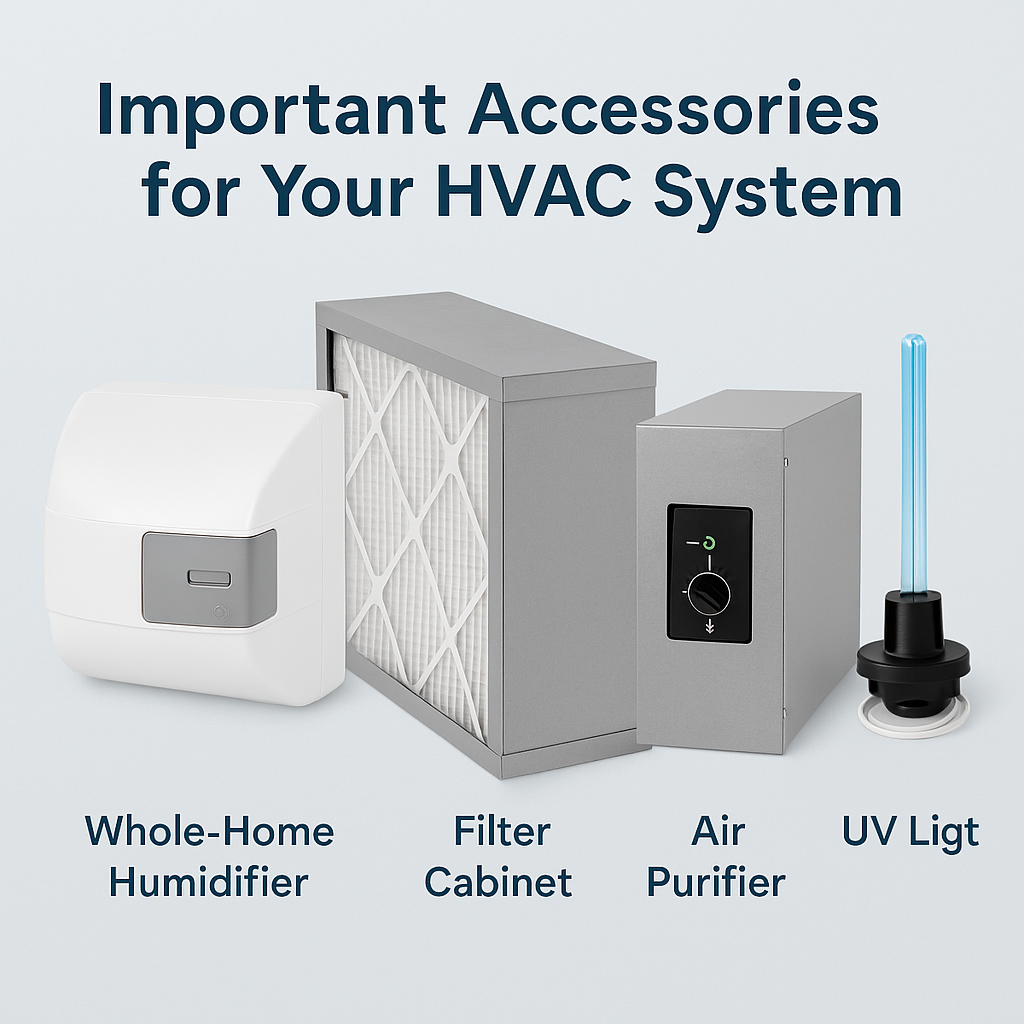
- Install a whole-home dehumidifier. A professionally installed whole-home dehumidifier works with your HVAC system to maintain ideal humidity levels.
- Check your ventilation. Make sure your bathroom and kitchen fans are working — and venting outside, not into your attic.
- Seal air leaks. Prevent humid air from entering your home by sealing windows, doors, and attic penetrations.
- Regular maintenance. Keeping your system clean and tuned ensures it dehumidifies properly.
We Can Help You Take Control of Your Home’s Comfort
At Service First Heating and Cooling, we know what it takes to keep your home cool, dry, and healthy. If you suspect a humidity issue, don’t sweat it — we’ll evaluate your system, identify the root cause, and provide solutions that fit your home and budget.
📞 Call us today or book online to review your indoor air quality and HVAC inspection.


.webp)