Dirty Sock Syndrome Explained
Dirty sock syndrome is the musty, locker-room smell that hits you when your air conditioner or heat pump first kicks on, and it's caused by mold and bacteria building up on the indoor evaporator coil. The smell isn't your imagination, and it isn't coming from a forgotten gym bag in the closet — it's coming straight through your vents. The good news is that it's a well-known, well-understood problem, and in almost every case, it's fixable.
Key Takeaways
- What it is: Dirty sock syndrome is a mildew-like odor caused by mold and bacteria growing on your AC's evaporator coil, drain pan, or ductwork.
- What causes it: Moisture sitting on a dirty coil between short cooling cycles — most common in spring, fall, and on heat pumps that swap between heating and cooling.
- Is it dangerous? Not usually for healthy people, but it can trigger allergies, asthma, and sinus issues, especially in kids and seniors.
- How to fix it: Have a technician deep-clean the evaporator coil and drain pan, change your filter, control humidity, and consider a UV light or upgraded air purifier to prevent it from coming back.
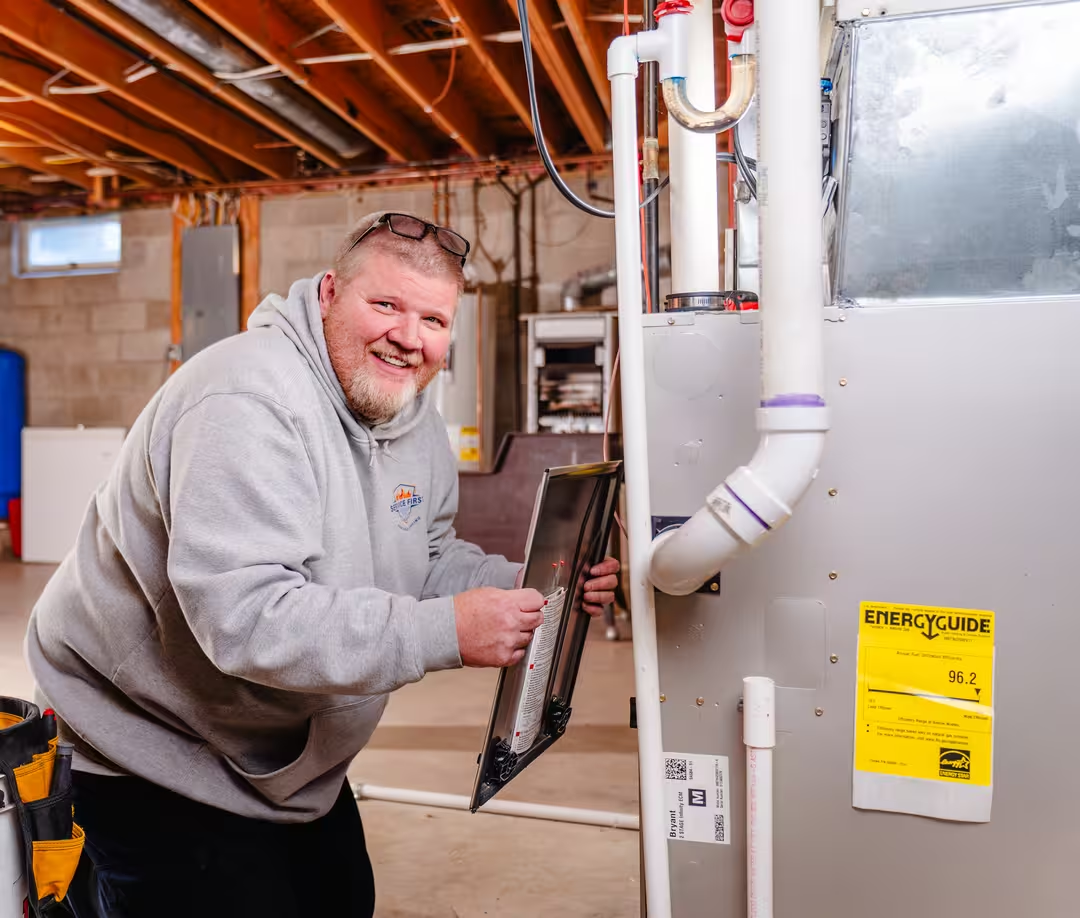
I'm Greg Nelson with Service First Heating and Cooling here in Central Ohio, and I've been on more "my AC smells weird" calls than I can count — especially every April when homeowners around Canal Winchester, Pickerington, and Columbus crank their systems on for the first time. Nine times out of ten, what they're describing is dirty sock syndrome. It's the unmistakable musty, sweaty, mildewy smell that pours out of the vents about five minutes after the unit kicks on. If that sounds like what you're dealing with, you're in the right place. I'm going to walk you through exactly what's happening inside your system, why it's happening, whether you need to worry about your family's health, and the real fix — not just a Febreze-and-pray approach.

Why Does My Air Conditioner Smell Like Dirty Socks?
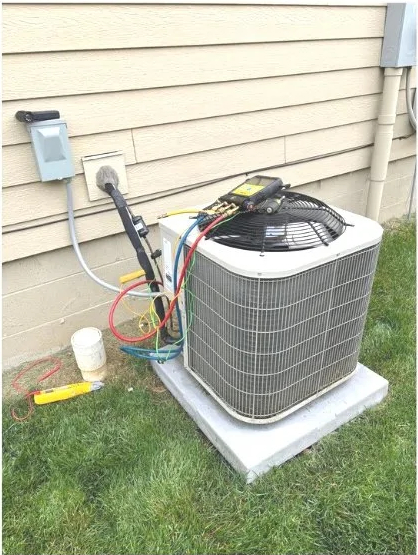
Your air conditioner smells like dirty socks because mold and bacteria are growing on the evaporator coil inside your indoor unit, and your blower is sending that smell all through your house. The technical name is dirty sock syndrome, and the HVAC industry started using the term back in the late 1980s as heat pumps became more common in homes. I tell homeowners all the time: your AC isn't the source of the problem — it's the victim of it. Your system pulls humid air across a cold metal coil, water condenses there, dust sticks to it, and you've basically built a perfect petri dish.
The Evaporator Coil Is the Real Culprit
The evaporator coil is where the actual cooling happens, and it's also where the smell starts. As warm, humid Ohio air passes over the cold coil, moisture condenses on the fins, and that moisture mixes with the dust, pet dander, and skin cells your filter didn't catch. Give it warmth, darkness, and a little time between cycles, and bacteria and mold start growing.
Drain Pans and Ductwork Make It Worse
The condensate drain pan sitting under the coil is the second-biggest offender. If it's not draining properly or it's got standing water in it, you've got a swamp running under your air handler. And if you have leaky return ducts pulling in basement or crawlspace air, that adds more moisture and organic material to the mix.
"I always tell folks the smell isn't really a heating-and-cooling problem — it's a moisture problem that happens to be living inside your heating-and-cooling equipment." — Greg Nelson
What Causes Dirty Sock Syndrome in the First Place?
Dirty sock syndrome is caused by four things working together: moisture, organic debris, poor airflow, and time. When all four show up at the same time, you've got the perfect breeding ground for the microbes that make that smell. Here in Central Ohio, where we go from 30-degree mornings to 75-degree afternoons in April, it's almost a seasonal certainty for some homes.
High Humidity and Short Cycling
Ohio summers are humid, and humidity is fuel for this problem. When your AC only runs in short bursts — common on mild spring days or with an oversized system — the coil never has a chance to dry out between cycles. That standing moisture is what microbes need to take hold.
A Neglected Air Filter
A clogged or low-quality filter is one of the biggest contributors I see in the field. When the filter is choked with dust, airflow drops, the coil gets dirtier faster, and the moisture sits longer. The American Lung Association points out that controlling moisture and dust is the single most important step in preventing indoor mold growth, and your filter is your first line of defense.
Heat Pumps and Shoulder Seasons
If you've got a heat pump, you're more prone to this than someone with a gas furnace and AC combo. Heat pumps flip between heating and cooling on the same indoor coil, so any microbial growth that built up over summer doesn't get torched off by high-temperature combustion the way it would in a gas furnace heat exchanger. That's why you'll often notice the smell worst in spring and fall.
Oversized or Poorly Installed Systems
I see this one a lot on second-opinion calls. If a previous contractor put in a system that's too big for the home, it cools the air fast, shuts off, and never runs long enough to pull humidity out. The house feels clammy, the coil stays wet, and dirty sock syndrome is right around the corner.
Is Dirty Sock Syndrome Dangerous or Can It Make You Sick?
Dirty sock syndrome usually isn't dangerous for healthy adults, but it can absolutely make sensitive people sick — and you shouldn't ignore it. The odor itself is the byproduct of mold and bacteria, and according to the EPA, mold exposure can cause allergic reactions, asthma attacks, and irritation of the eyes, nose, throat, and lungs in both allergic and non-allergic people. For most homeowners, the bigger issue is comfort and air quality, but for some, it's a real health concern.
Who's Most at Risk
Kids, seniors, people with asthma or COPD, and anyone with a weakened immune system tend to feel the effects first. Symptoms can show up as a stuffy nose, scratchy throat, persistent cough, headaches, or worse-than-usual allergy flare-ups that don't match the pollen count outside.
Why You Shouldn't Just Wait It Out
A lot of homeowners notice the smell fades after a few weeks of running the AC consistently, and they figure the problem solved itself. It didn't. The mold and bacteria are still living on that coil — they're just not actively releasing as much odor because conditions changed. Next spring or fall, the smell will be right back, usually worse.
"If your house smells musty every time the AC kicks on, your indoor air quality is telling you something's wrong. Don't mask it — fix it." — Greg Nelson

How Do You Fix Dirty Sock Syndrome for Good?
Fixing dirty sock syndrome the right way means cleaning the source of the problem and changing the conditions that let it grow, and that almost always starts with a professional evaporator coil cleaning. I've had homeowners try vinegar sprays, essential oils, and even pulling the unit apart themselves — and I've also had to come behind some of those attempts and repair bent fins or damaged sensors. The coil is delicate, and the cleaning chemicals are specific for a reason.
Step 1: Deep-Clean the Coil and Drain Pan
A real fix starts with a tech pulling the access panel, inspecting the coil, and using a no-rinse evaporator coil cleaner designed for HVAC equipment. The drain pan gets flushed, the condensate line gets cleared, and any biological buildup gets removed. In bad cases — where the coil has been neglected for years — the only real option is replacement.
Step 2: Replace the Filter and Upgrade If Needed
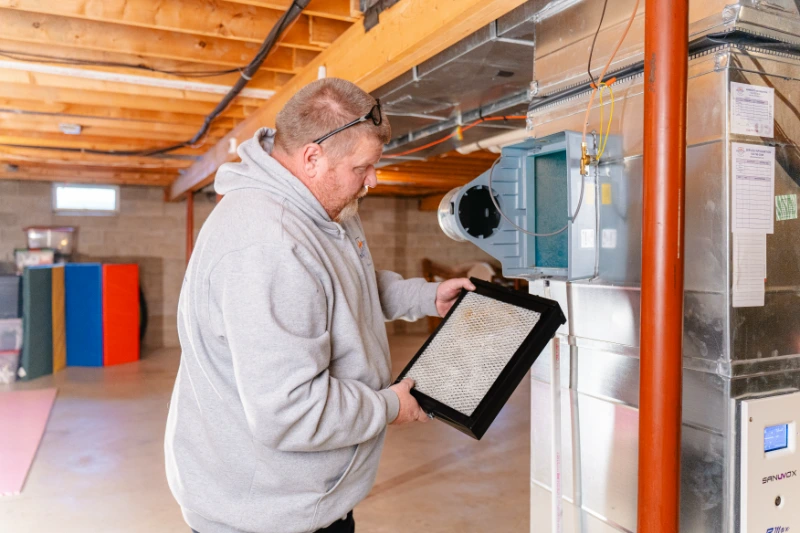
Pop in a fresh filter, and if you've been running a cheap fiberglass one, this is the time to upgrade to a pleated MERV 8 or MERV 11. Better filtration keeps organic debris off the coil in the first place. Just don't go so high on the MERV rating that you choke your airflow — that creates its own problems.
Step 3: Control Humidity and Add a UV Light
A whole-home dehumidifier or a UV-C light installed near the coil are the two upgrades I recommend most for homes that have had this problem before. UV light kills mold and bacteria on contact, so even when moisture builds up, microbes can't take hold. We carry a full lineup of indoor air quality products including UV lights, media filters, and whole-home dehumidifiers that pair directly with your existing system.
Step 4: Get on a Maintenance Plan
Twice-a-year tune-ups are how you keep this from coming back. Spring cleanings catch coil buildup before AC season, and fall checks make sure your system is dry and clean before the heat pump flips modes. It's the simplest, cheapest insurance against dirty sock syndrome and a dozen other HVAC headaches.
What If My HVAC Still Smells Musty After Cleaning?
If your HVAC still smells musty after a coil cleaning, the source is almost always somewhere else in the system — most often the ductwork, a saturated insulation issue, or a drainage problem you haven't found yet. I've walked into homes where the coil was spotless but the return duct in the crawlspace had standing water from a roof leak above it. The system was just delivering the smell from somewhere else.
Check the Ductwork
Mold and biological growth can grow inside ducts, especially flex ducts in humid basements or attics. A camera inspection or a duct cleaning from a reputable company can confirm whether your ducts need attention.
Look at the Bigger Picture
Sometimes the issue is the home itself — a damp crawlspace, a leaky basement, a bathroom exhaust fan that doesn't actually vent outside. If you'd like to read more about how the whole HVAC system affects indoor air quality across Central Ohio homes, it's worth understanding how moisture, ventilation, and filtration all work together.
"Your AC is only as clean as the air you're feeding it. Sometimes the smell isn't really the AC — it's the house telling on itself." — Greg Nelson
Frequently Asked Questions
How long does it take to get rid of dirty sock syndrome?
Most homeowners notice an improvement within hours of a thorough coil cleaning and filter change. If the smell persists past 24 to 48 hours, there's usually a secondary issue — a clogged drain line, biological growth in the ductwork, or a bigger moisture problem in the home.
Can I clean my evaporator coil myself?
I'd strongly recommend against it. The fins on a coil are aluminum and bend if you breathe on them wrong, and the wrong cleaner can corrode the metal or leave residue that makes the smell worse. A pro has the right no-rinse cleaner, the right tools, and the experience to do it without damaging the system.
Does dirty sock syndrome go away in summer?
The smell often fades in the hottest part of summer because the coil stays consistently cold and the AC runs longer cycles, but the underlying mold and bacteria are still there. It almost always comes back the next spring or fall when conditions are right again.
Will a UV light prevent dirty sock syndrome?
A properly installed UV-C light near the evaporator coil is one of the most effective long-term preventions out there. It doesn't replace cleaning the existing buildup, but once the coil is clean, UV light keeps new microbial growth from establishing.
Why does my AC smell like mildew only when it first turns on?
That first-startup smell happens because moisture has been sitting on the coil while the system was off. When the blower kicks on, it pushes that stagnant, microbe-laden air through the ducts and into your home before normal airflow dries things out. It's the classic signature of dirty sock syndrome.
Don't Live With a Smelly Home — Get It Fixed Right
Dirty sock syndrome is one of the most common — and most fixable — HVAC complaints I see in Central Ohio, and it's not something you should be living with. The takeaways are simple: that musty smell is mold and bacteria on your evaporator coil, it can affect your family's health if you've got allergy or asthma sufferers under your roof, and a proper coil cleaning combined with the right air quality upgrades will solve it. The longer you wait, the more buildup you're dealing with, and the more expensive the fix gets.
If your air conditioner smells musty, your HVAC smells like mildew, or you're just tired of holding your breath every time the system kicks on, give Service First Heating and Cooling a call or schedule a visit online. We'll inspect your system honestly, explain what we find in plain language, and lay out repair-first options — no pressure, no upsells. Your home should smell like home, not like a high school locker room. Let's get it back to that.