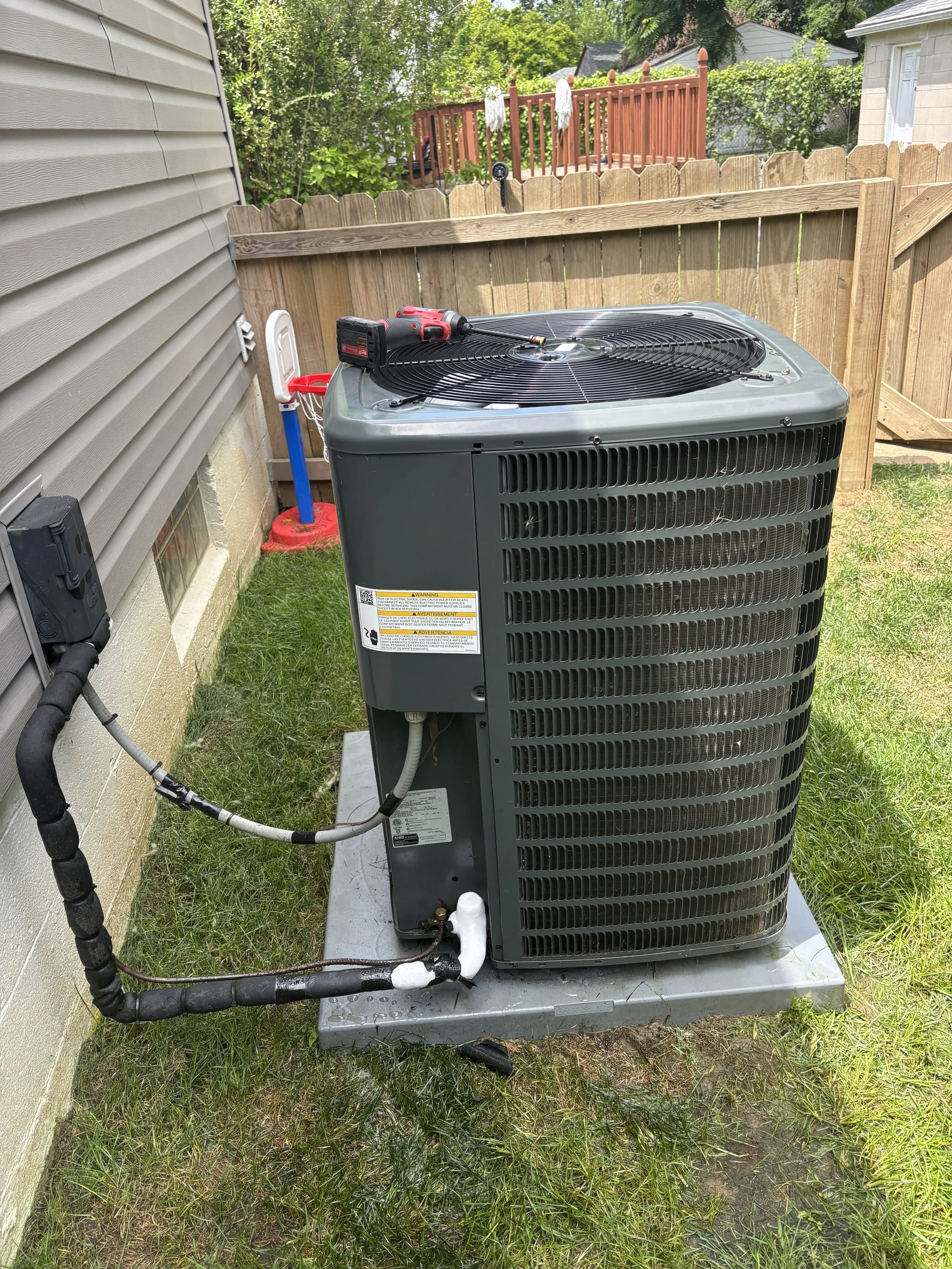
When it comes to HVAC systems, bigger isn't always better. Homeowners often assume that installing a larger air conditioner or furnace will cool or heat their home faster and more effectively. But in reality, an oversized system can lead to a long list of problems that impact comfort, energy efficiency, and long-term system health.
At Service First Heating and Cooling, we’ve seen firsthand the damage that an improperly sized system can cause. Here's what you need to know.
❄️ What Happens When Your HVAC System Is Too Big?
1. Short Cycling
An oversized system cools (or heats) your home so quickly that it shuts off before completing a full cycle. This constant stopping and starting, known as short cycling, puts serious strain on your system’s components. It leads to faster wear and tear, increased maintenance needs, and even premature system failure.
2. Poor Humidity Control
One of the key jobs of your air conditioner is to remove humidity from your indoor air. But when your system short cycles, it doesn’t run long enough to dehumidify properly. That means your home may feel cool but clammy — especially during Central Ohio’s hot, humid summers.
3. Higher Energy Bills
Each time your system powers on, it uses a surge of electricity. With an oversized unit cycling on and off constantly, you’ll see a spike in energy usage — and higher monthly bills. Ironically, the "more powerful" system ends up costing you more and doing less.
4. Uneven Temperatures
Oversized systems often blast cold or hot air into the space near the thermostat and shut off before the rest of the house can catch up. This creates hot and cold spots throughout your home, leaving some rooms uncomfortable while others are over-conditioned.
5. Frozen Coils and Moisture Problems
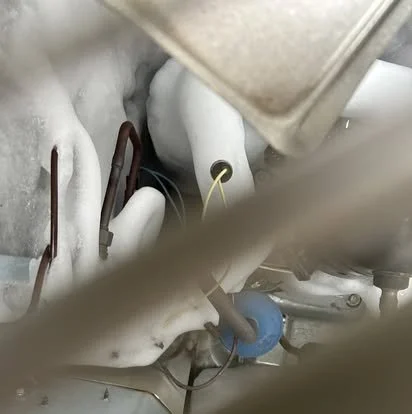
When airflow is disrupted or cycles are too short, moisture on the evaporator coil can freeze, especially in humid environments. This not only reduces cooling capacity but can eventually lead to more serious damage if left unaddressed.
6. Reduced Equipment Lifespan
The constant on-and-off cycling doesn’t just reduce efficiency — it shortens the life of your equipment. You may find yourself replacing your system far earlier than expected, which can be an expensive mistake.
✅ The Right Size System = Comfort + Efficiency
At Service First Heating and Cooling, we don’t guess when it comes to sizing your HVAC system. We perform a proper evaluation to ensure your equipment matches the specific needs of your home.
Whether you're replacing an old system or troubleshooting performance issues with a newer one, we’re here to help you get the most out of your HVAC investment — without sacrificing comfort.
Need a second opinion on your system size or performance?
📞 Call us today or book online for a professional evaluation. We’ll make sure your system is working for you — not against you.