Blog

Here Comes the Cottonwood — Is Your A/C Ready?

Greg Nelson

Table of Contents

If you live in Ohio, you know the signs: It’s late spring, it’s warming up fast, and that fluffy white cottonwood is floating through the air like it owns the place. It may look peaceful drifting by, but don’t let it fool you—cottonwood is one of the worst things for your A/C system.

What Cottonwood Does to Your A/C

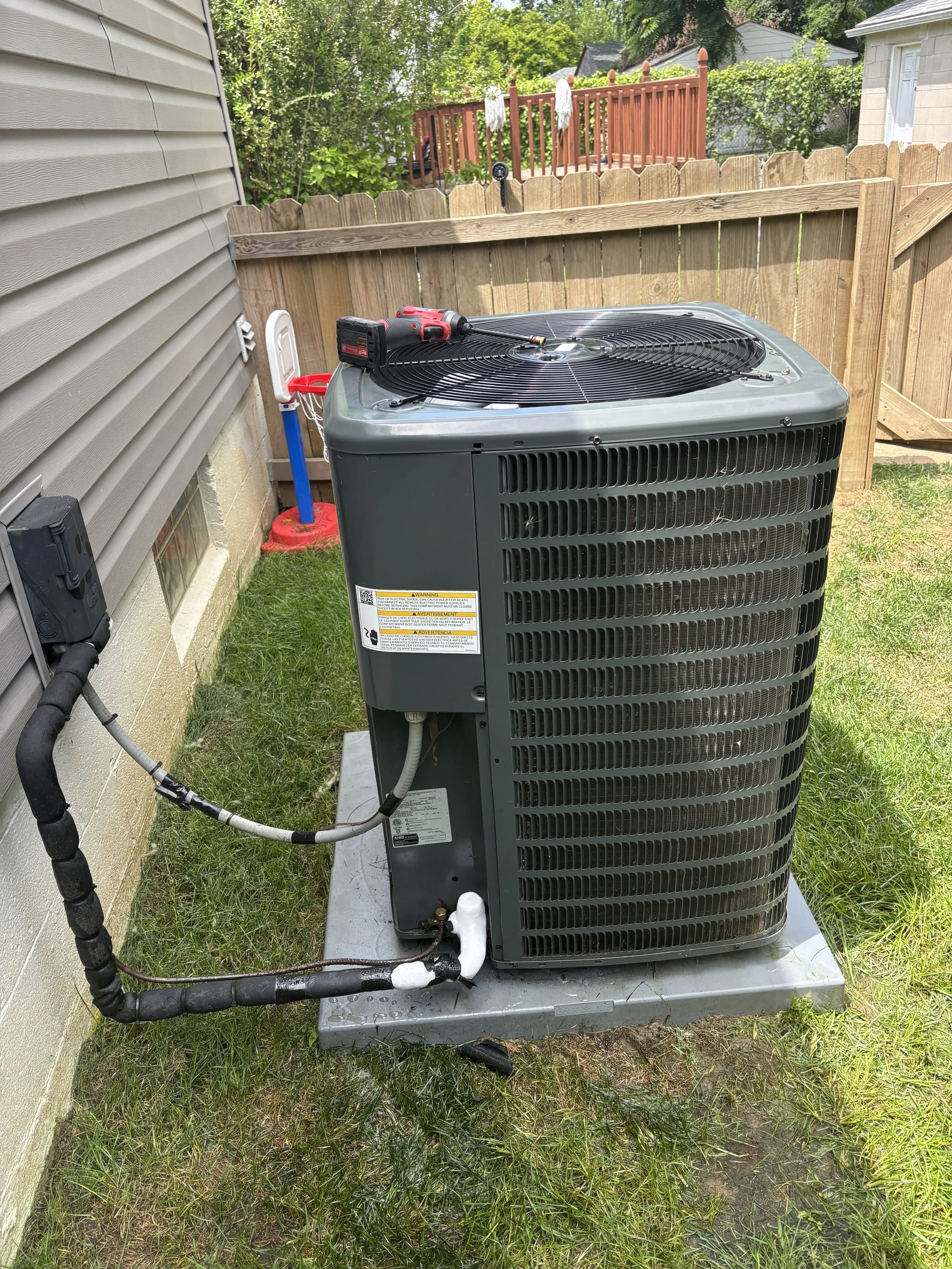
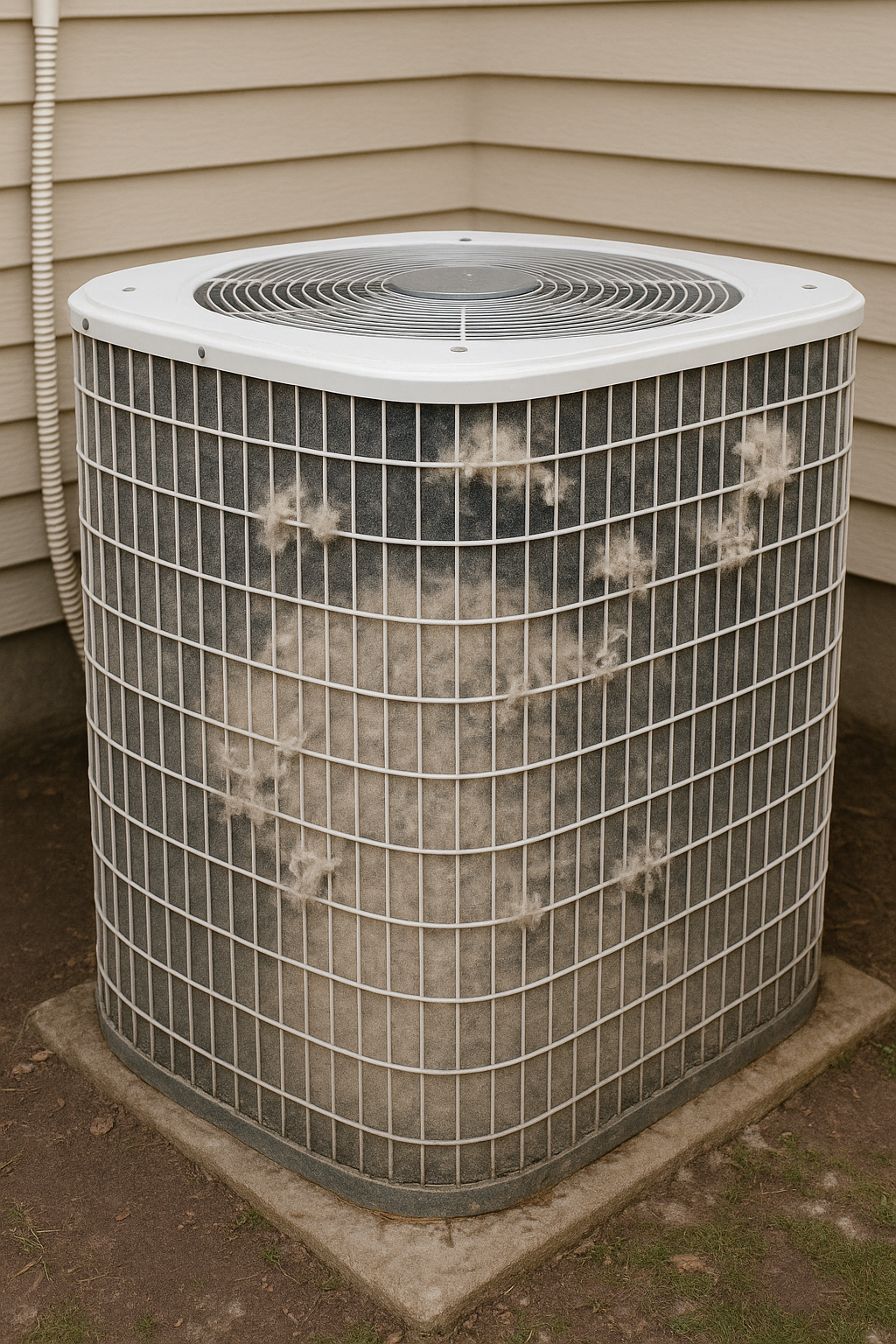
Those soft, sticky seed pods get sucked right into the sides of your outdoor condenser unit. If you're not keeping it clean, that fuzz can quickly coat the coil, choke off airflow, and turn your efficient cooling machine into an overheating, energy-wasting mess.

But it doesn’t stop there…

When cottonwood clogs up your outdoor unit, it forces your entire system to work harder—including your indoor filter. Before long, cottonwood and debris make their way inside, gumming up your filter faster than usual. That can lead to:

  • ⚠️ Poor indoor airflow
  • ⚠️ Frozen coils
  • ⚠️ Compressor failure
  • ⚠️ Total system breakdown

Yes—all from ignoring the outside of your unit.

What Homeowners Should Do:

  • Take a walk outside: Check your unit. If you see cottonwood stuck to the sides, it’s time to act.
  • Turn off the power and gently hose off the coils from the inside out, or better yet—
  • Schedule a professional cleaning. Our tune-ups include outdoor coil cleaning, and we’ll inspect your filter, refrigerant levels, and electrical components while we’re at it.

Don’t Let Fluff Take Down Your A/C

This time of year, we see it constantly—calls for broken systems that could’ve been avoided with a little spring cleaning.

💨 Don't wait until it's too late.
We’re local, we know Ohio’s seasons, and we’re here to help. Call Service First Heating and Cooling and let us clear out the cottonwood before it clogs up your comfort.

📞 Book your A/C tune-up today and keep your system running smooth, even when the fluff is flying.
RELATED POSTS

How Much Do HVAC Repairs Cost in Columbus, Ohio? A Simple Guide for Homeowners Cost in Columbus, Ohio?

How much do HVAC repairs cost in Columbus? Learn typical price ranges, what affects costs, and why a diagnostic gives clear, upfront pricing.

Learn More

Winter-Ready Home: 4 HVAC Accessories That Make a Big Difference

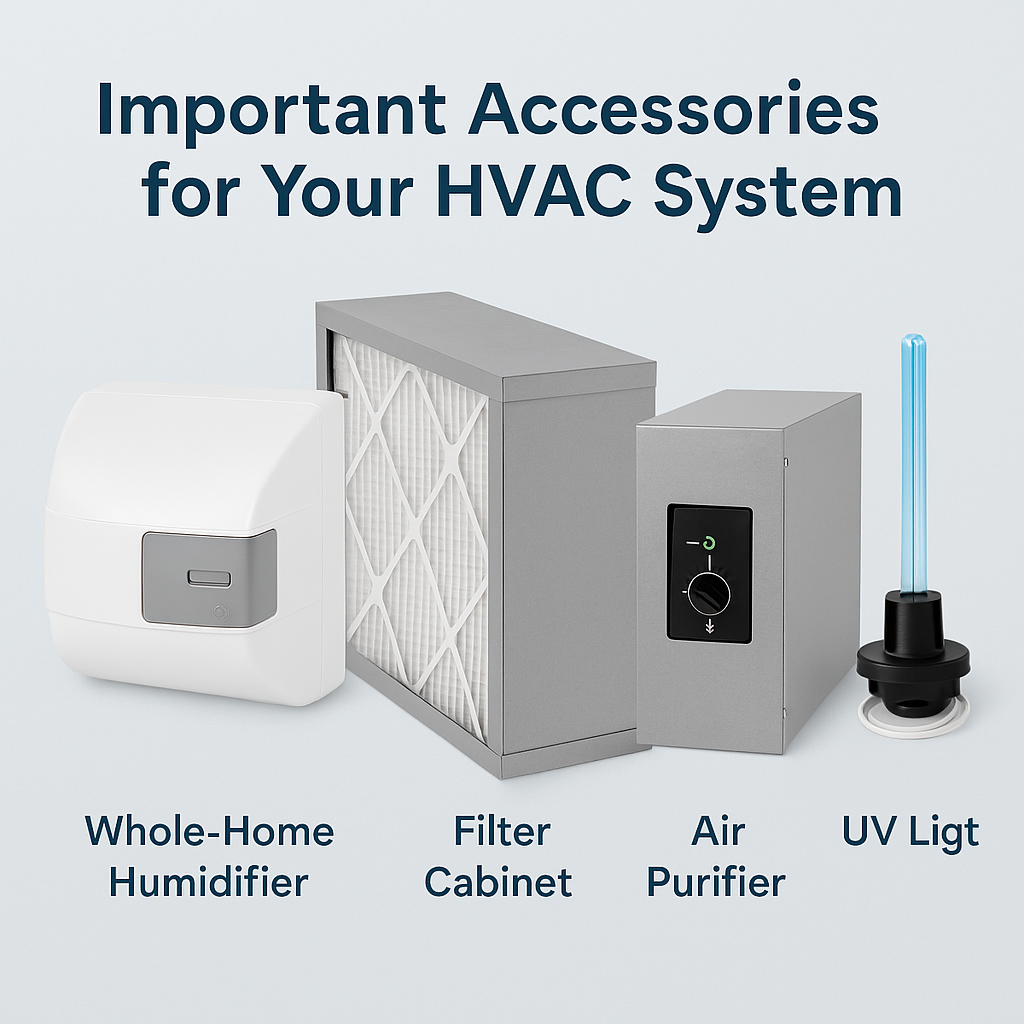
Breathe easier this winter with smart HVAC upgrades that make your home more comfortable, efficient, and healthy. From filter cabinets that trap dust and allergens, to whole-home humidifiers that ease winter dryness, to UV lights and air purifiers that improve indoor air quality — these simple add-ons can make a big difference in how your home feels and functions.\

Learn More

🔥 Why Heating Tune-Ups Are So Important for Your Home ❄️

A heating tune-up does more than keep your furnace running — it keeps your family safe, lowers energy bills, and helps prevent costly breakdowns. Learn why routine maintenance is one of the smartest investments you can make before winter hits.

Learn More

Back-to-School Germs? Your HVAC System Can Help Keep Your Home Healthier

Back-to-school season brings more than just new routines—it also brings an increase in germs and allergens entering your home. As kids return to the classroom, your HVAC system can play a vital role in protecting your family’s health. From high-efficiency filters to air purifiers and humidity control, learn how improving your indoor air quality can reduce the spread of illness and keep your home healthier this school year with Service First Heating and Cooling.

Learn More

Bigger Isn’t Better: The Problems with an Oversized A/C

Think a bigger HVAC system means better performance? Think again. An oversized air conditioner or furnace can lead to short cycling, higher energy bills, uneven temperatures, and poor humidity control. In this post, we explain why proper system sizing is essential for year-round comfort and long-term efficiency — and how Service First Heating and Cooling gets it right.

Learn More

Time Is Running Out: Claim the HVAC Tax Credit Before It Ends in 2025

The Energy Efficient Home Improvement Tax Credit (25C) is ending after December 31, 2025, due to the One Big Beautiful Bill. If you're planning to upgrade your HVAC system, now is the time to act. This federal tax credit offers up to $3,200 annually for qualifying energy-efficient improvements—but only if your system is installed and operational before the deadline. Don’t miss your chance to save—call Service First Heating and Cooling today for your free estimate.

Learn More

The Hidden Dangers of High Humidity in Your Home — and What It Means for Your A/C and Air Quality

Is Your Home Feeling Damp, Sticky, or Musty? High humidity indoors doesn’t just make your home uncomfortable — it can strain your A/C, spike your energy bills, and even lead to mold and poor air quality. From oversized A/C units to leaky ductwork, find out what could be causing excess moisture in your home and how to fix it before it leads to costly damage.

Learn More

Summer Storms and the Impact on Your A/C: What Homeowners Need to Know

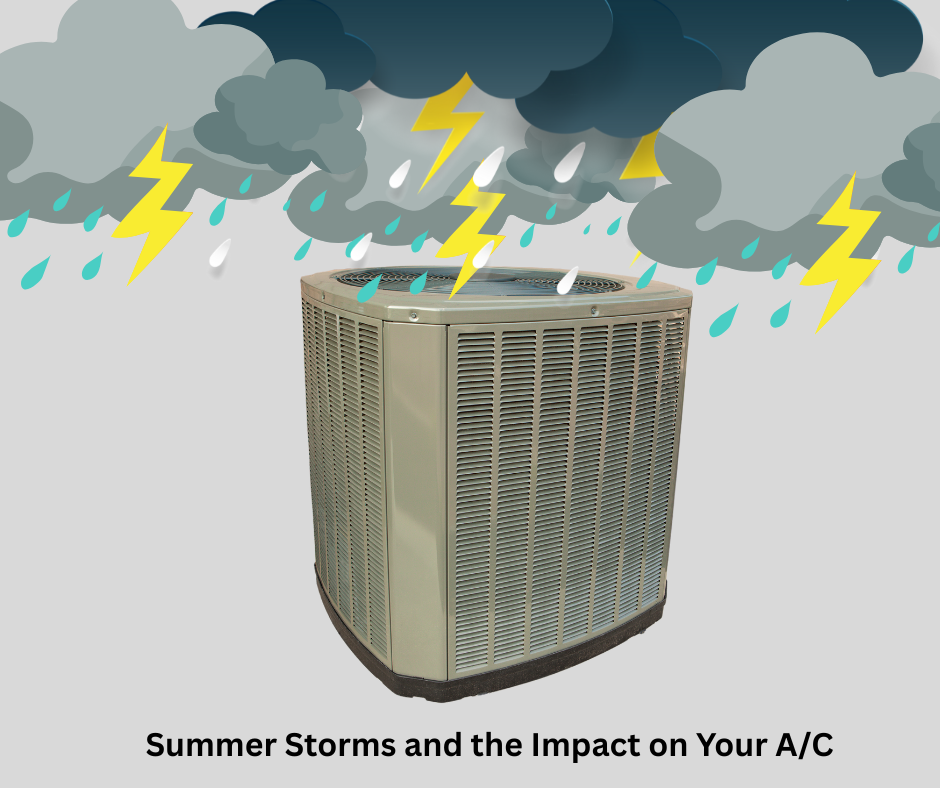
Summer storms can do more than dampen your day—they can damage your A/C. From power surges and flooding to flying debris and hail, your HVAC system is more vulnerable than you might think. In this post, we break down how storms impact your air conditioner and share simple steps you can take to protect your system (and your comfort) all season long.

Learn More

Why Your A/C Struggles in Extreme Heat (And What You Can Do About It)

When the heat index soars into the triple digits, even a perfectly working A/C unit can struggle to keep up. But that doesn’t always mean it’s broken—it may just be working against its limits. In this post, we break down why your system might be falling behind during extreme heat and share practical tips to help your home stay as cool and comfortable as possible.

Learn More

Why Isn’t My A/C Blowing Cold Air? 7 Common Reasons and What to Do

Is your A/C running but not cooling your home? Don’t sweat it—there are several common reasons your system might be blowing warm air instead of cold. In this post, we’ll walk you through the most likely causes, from thermostat settings and dirty filters to low refrigerant or frozen coils. Learn how to troubleshoot the issue and when it’s time to call in a pro to get your comfort back on track.

Learn More
Previous
Next