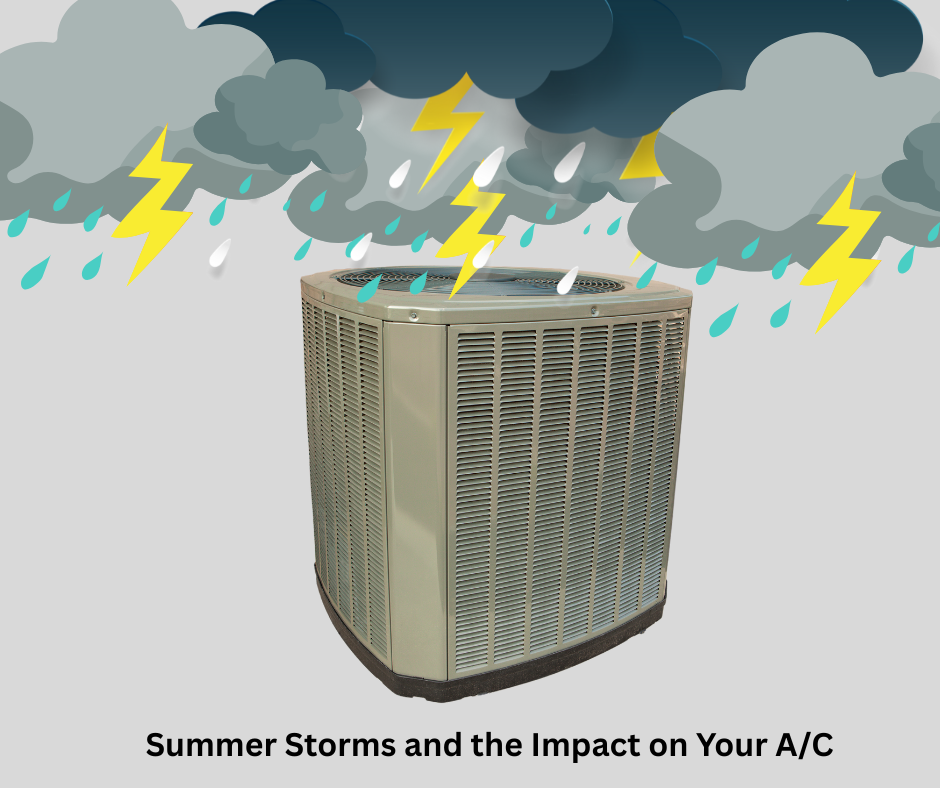
Summer doesn’t just bring heat—it brings storms. Thunderstorms, high winds, heavy rain, hail, and power outages can all wreak havoc on your property, and your air conditioner is no exception. Knowing how summer storms can affect your A/C system—and how to protect it—can help you avoid costly damage and inconvenient breakdowns.
⚡️ How Summer Storms Can Damage Your A/C
1. Power Surges
Lightning strikes or grid disruptions during a storm can cause power surges that may fry your A/C's electrical components—especially the capacitor, contactor, or circuit board.
What to do:
Use a surge protector designed for HVAC systems or consider installing a whole-home surge protector. If your power flickers or goes out, wait a few minutes after it returns before turning your A/C back on to avoid overloading the compressor.
2. Flooding and Water Damage
Heavy rain or flash flooding can cause water to pool around the outdoor unit, which may damage internal components, especially if the unit isn’t properly elevated.
What to do:
Make sure your condenser sits on a solid, level platform above ground level. If water regularly pools near it, talk to your HVAC tech about drainage improvements.
3. Wind and Debris
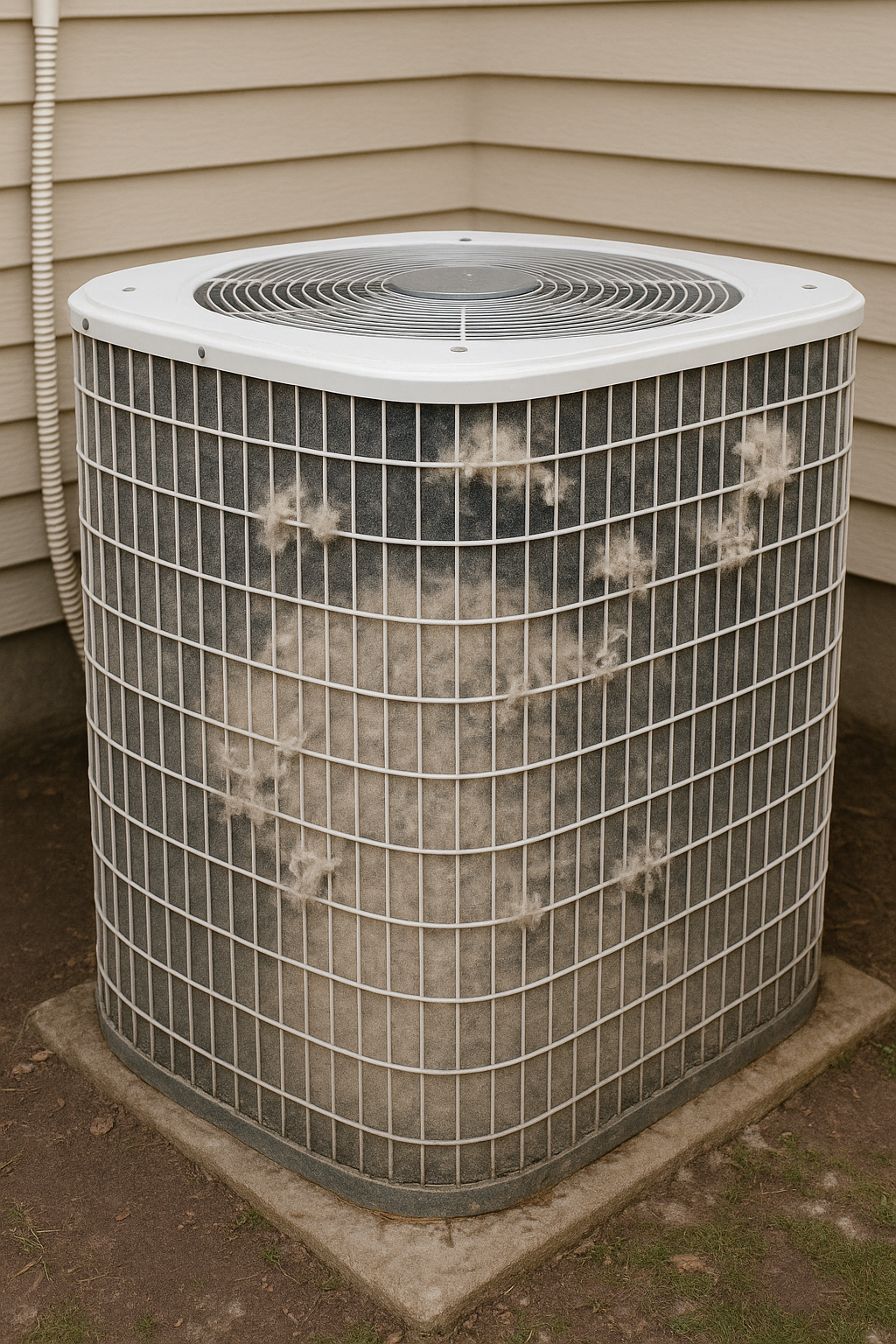
High winds can blow leaves, branches, or even patio furniture into your outdoor unit, damaging the fins or fan blades. This reduces airflow and can stress your system.
What to do:
Keep the area around your outdoor unit clear of debris and vegetation. After a storm, inspect the unit for visible damage or clogging.
4. Hail Damage
Hail can dent the coil fins or damage the fan motor. Even cosmetic dents can restrict airflow, making your system work harder and less efficiently.
What to do:
If hail is in the forecast, consider covering your condenser with a breathable A/C cover rated for hail protection. Never run the unit while covered.
5. Prolonged Power Outages
Losing power during a heat wave can put stress on your system when it’s suddenly turned back on, especially if multiple appliances restart at once.
What to do:
Turn off your A/C at the thermostat during an outage and wait 5–10 minutes after power is restored before restarting. This gives your compressor time to equalize and reduces strain.
🛠 When to Call a Pro After a Storm
Call an HVAC technician if you notice:
- Unusual noises coming from your unit
- Warm air blowing from vents
- System won’t turn on or short-cycles
- Outdoor unit appears damaged or tilted
- Water pooling around the unit
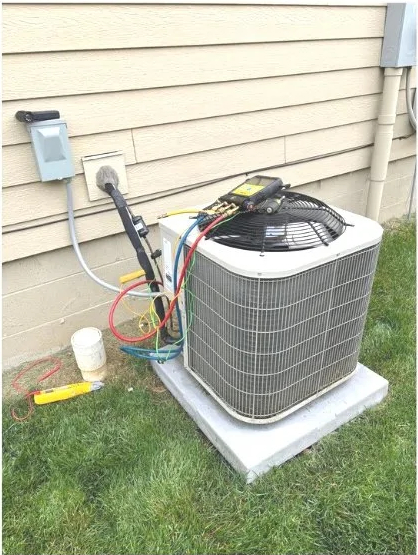
Even if it seems minor, storm damage can cause long-term problems if left unchecked.
🧰 Preventive Tips to Protect Your System
- Trim trees and bushes near your unit
- Anchor outdoor furniture before storms
- Schedule seasonal maintenance to catch wear and tear early
- Ask about surge protection and storm-proof upgrades
Trust Service First Heating and Cooling
If a summer storm has left your A/C down or you want peace of mind before the next one rolls in, we’re here to help. Our local, family-owned team provides fast, honest service!
📞 614-795-3098
🌐 www.ServiceFirstAir.com