When your furnace or air conditioner stops working, the first thing most homeowners want to know is: “How much is this going to cost?”
The truth is that HVAC pricing can feel confusing because every home, system, and situation is a little bit different. However, most repairs in Columbus fall into three main categories: small, medium, and large repairs. Understanding what usually fits into each range can help you feel more prepared before a technician even arrives.
Below, we’ll break down each level of repair using very simple terms, common examples, and explanations of what affects the final price. Keep in mind that no company can give an exact price until a trained technician performs a full diagnostic, because the symptoms you see at home often don’t reveal the true cause.
Let’s walk through the ranges in a way that’s easy to follow.
Small HVAC Repairs ($100–$300)
These are the most common and the most affordable types of HVAC repairs. They usually involve parts that are easy to access, quick to replace, or simple to clean.
Typical Small Repairs
• Cleaning and testing a flame sensor
A dirty flame sensor is one of the top reasons furnaces shut down. Cleaning it usually takes only a few minutes, and testing it helps make sure the safety system works correctly.
• Clearing a clogged drain line
Air conditioners remove humidity from the air. That moisture drains through a thin tube. When that tube clogs, water backs up and the system may shut off. Clearing the line is quick and inexpensive.
• Replacing a capacitor
A capacitor helps motors start and run, sort of like a battery that gives them a boost. Capacitors are small, inexpensive parts that commonly fail in older systems or during hot weather.
Why These Repairs Stay Low-Cost
- Parts are cheaper
- Labor time is short
- Repairs are straightforward for a trained technician
- No need to open up major components
When a Small Repair Might Cost More
Even small repairs can vary depending on:
- How hard the part is to reach
- Whether the part is a standard or specialty version
- Age of your furnace or AC
For example, some drain lines are buried behind panels or in tight closets, which makes the job take longer. Some systems use specialized capacitors that cost more than standard parts.
Medium HVAC Repairs ($400–$1,500)
Medium repairs involve larger parts, moving components, or pieces that require more time to diagnose and install. These repairs are still common, but they take more skill and equipment to complete.
Typical Medium Repairs
• Blower motor replacement
The blower motor is the part of your furnace that pushes heated or cooled air through your vents. Some blower motors are simple and inexpensive, while others are “variable-speed” and cost more to replace.
• Condenser fan motor replacement
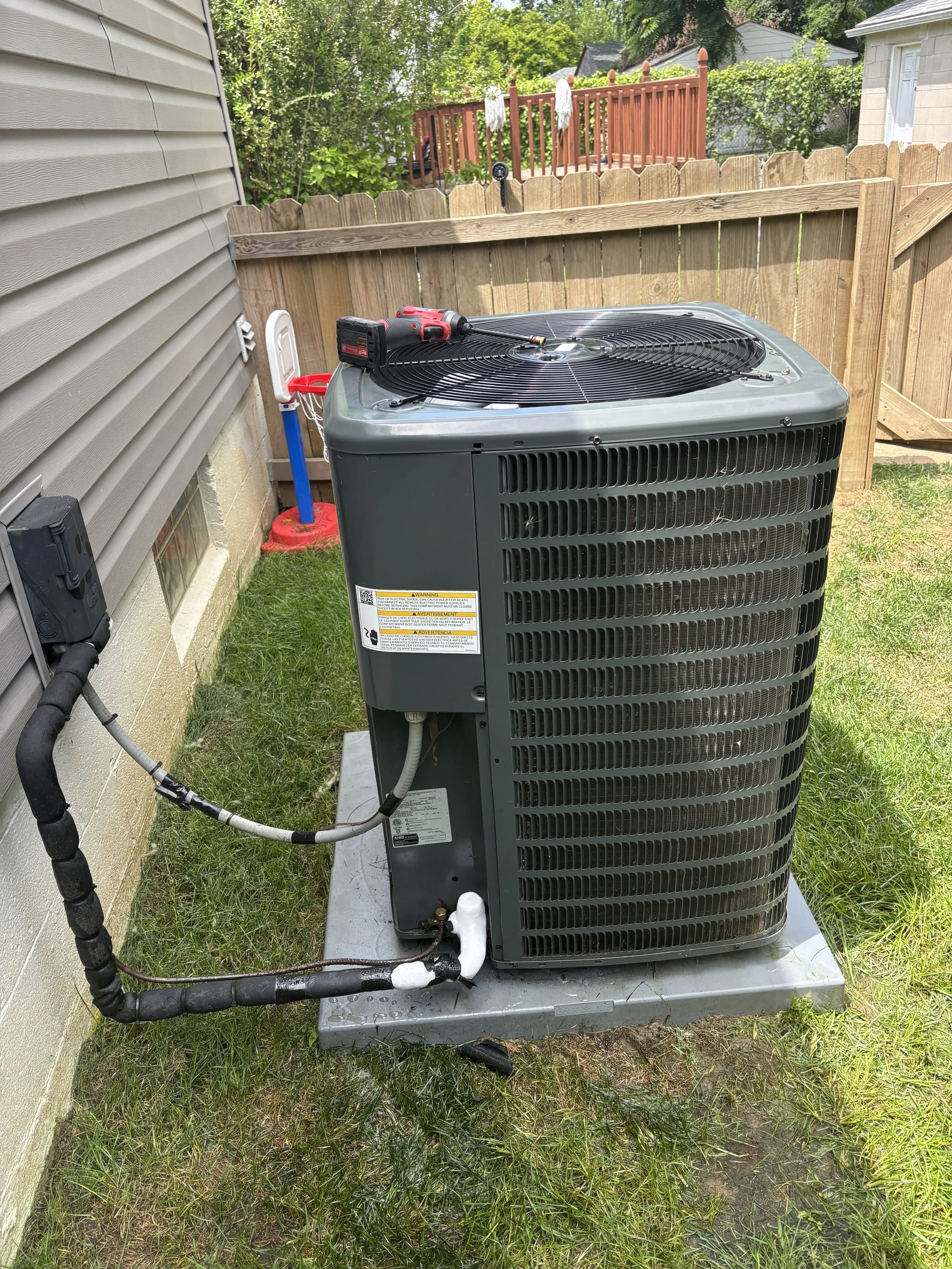
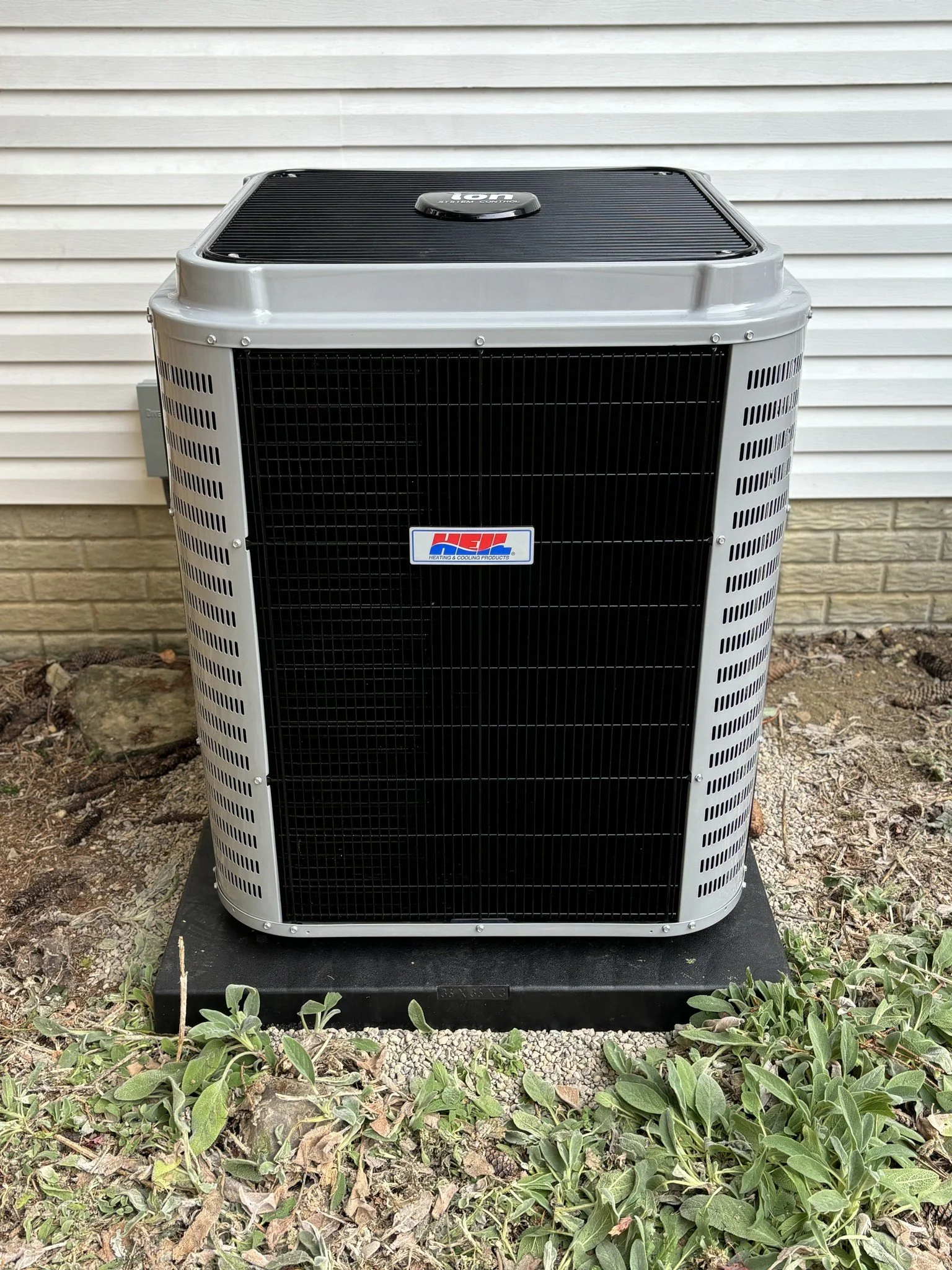
This is the fan on the outside AC unit that helps cool the system. When it fails, the AC won’t cool properly and may overheat.
• Control boards and relays
These are the “brains” of your HVAC system. When electronic parts fail, the system may shut off, cycle repeatedly, or stop responding to the thermostat.
Why Medium Repairs Have a Wide Price Range
Medium repairs vary because:
- Motors come in many styles, sizes, and speeds
- Some models require special parts
- Certain components take longer to remove and reinstall
- Older systems may need extra work to fit new parts
For example, a standard blower motor might cost a few hundred dollars, but a variable-speed motor—common in high-efficiency systems—can be much more expensive because of its advanced technology.
How Technicians Determine the Correct Price
A trained HVAC technician will:
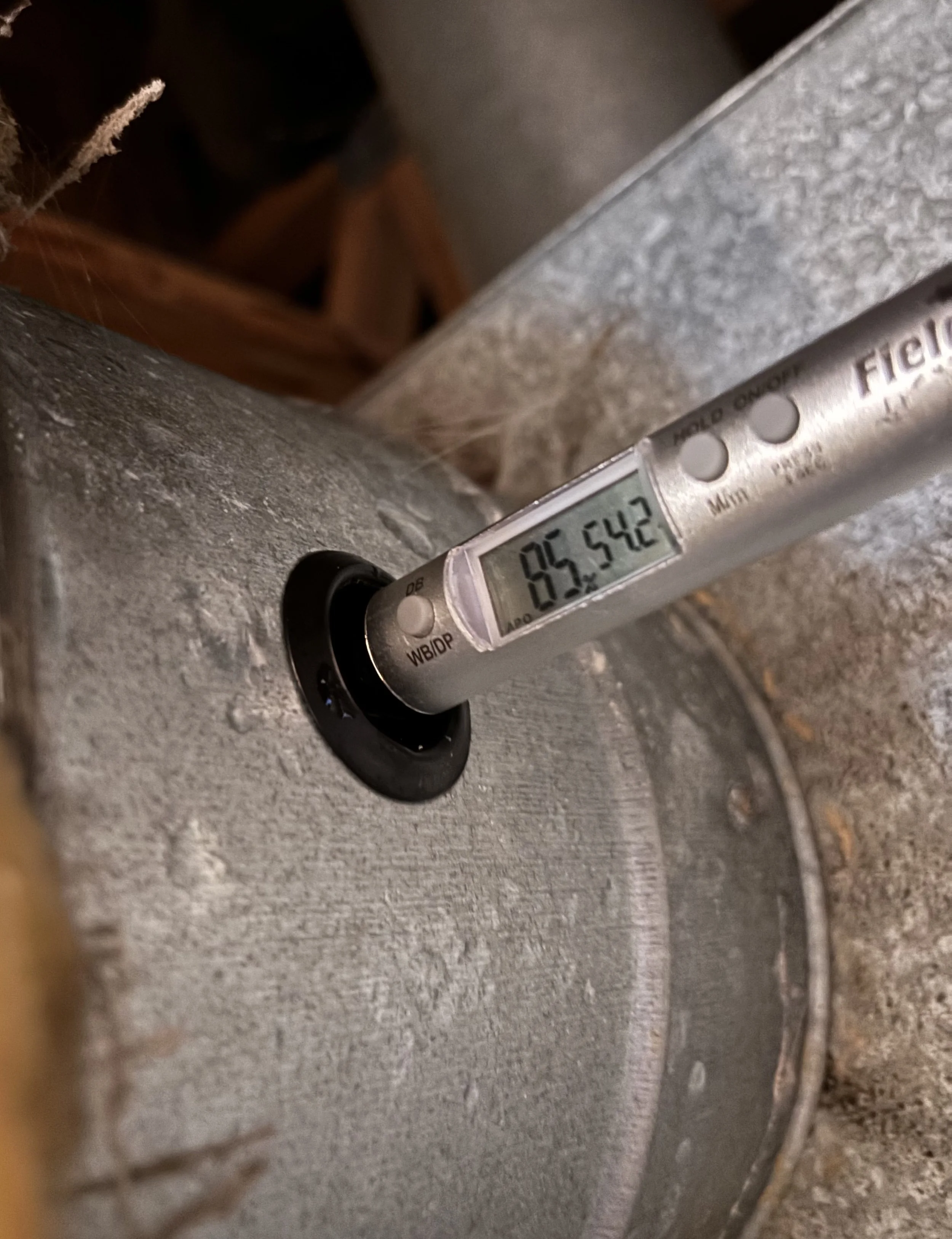
- Perform a full diagnostic
- Test the motor or electronics
- Check the wiring, safety systems, and airflow
- Confirm that the part is actually the problem (not a symptom of something larger)
This prevents homeowners from paying for unnecessary parts or repairs.
Large HVAC Repairs ($1,500 and Up)
Large repairs involve major components that are essential to the heating or cooling process. These parts are more expensive because they require more labor, more time, and more technical skill. They also tend to be larger, heavier, and harder to access.
Typical Large Repairs
• Compressor replacement
The compressor is the “heart” of your AC system. If it fails, the AC cannot cool at all. Replacing it requires specialized tools and often several hours of work.
• Evaporator coil replacement
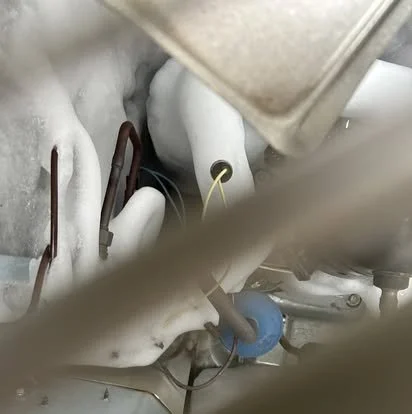
The evaporator coil sits inside your indoor unit. If it leaks refrigerant or becomes damaged, replacing it is a major repair that often requires cutting, brazing, and recharging refrigerant.
• Heat exchanger replacement
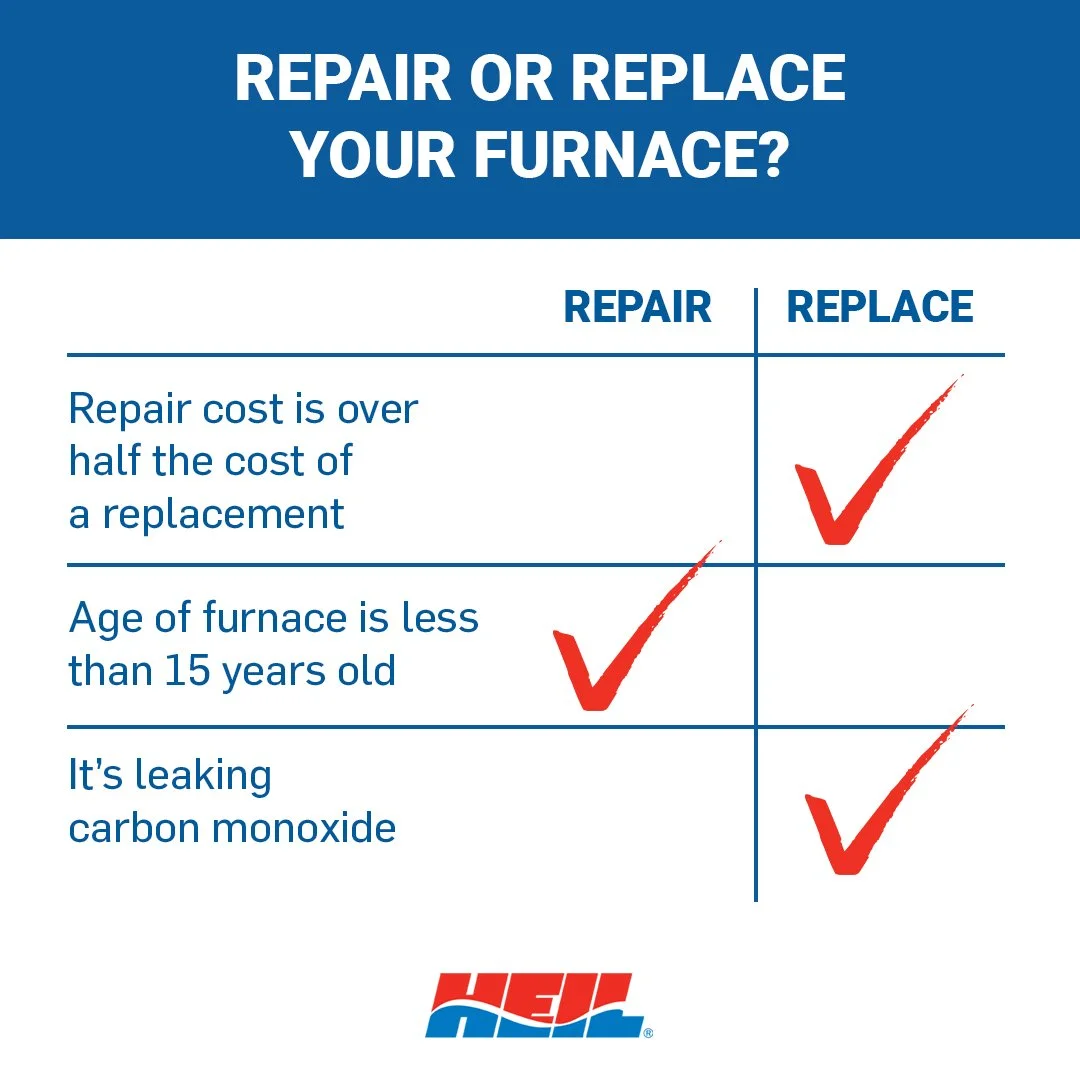
The heat exchanger in a furnace heats the air safely. If it cracks, it can cause dangerous carbon monoxide leaks. Replacement is labor-intensive and must be done carefully to keep your home safe.
Why Large Repairs Cost More
- Parts are expensive
- Labor can take several hours
- Repairs require advanced certifications
- Some repairs require refrigerant handling
- Major components must be tested after installation
When a Major Repair Might Point Toward Replacement
For older systems, sometimes a large repair is close in cost to a replacement. A technician should walk you through:
- System age
- Expected remaining lifespan
- Energy efficiency
- Total cost of ownership
Service First always repairs when it makes sense — but if a replacement is actually the better long-term choice, we make sure you understand why.
What Makes HVAC Repair Prices Vary?
Even though the ranges above are accurate for most homes in Columbus, the exact price depends on a few important factors.
1. Type of System You Have
Newer systems with high-efficiency technology often use specialty parts. Older systems may need extra labor to reach screws, panels, or wiring.
2. Brand and Model
Some brands use universal parts. Others require brand-specific components that cost more.
3. Location of the Unit
Tight spaces, attics, crawl spaces, and closets can add time to a job.
4. Part Availability
Common parts are easy to source and cheaper. Hard-to-find parts may cost more or require special ordering.
5. Root Cause of the Problem
What seems like one issue may actually be caused by another part. Only a diagnostic can reveal the true cause.
Why We Can’t Give Exact Pricing Until We Perform a Diagnostic
Many homeowners call hoping for a price over the phone. We understand — no one likes surprises. But HVAC symptoms can be misleading.
For example:
- A furnace that “won’t start” might need a $20 cleaning… or a $900 motor.
- An AC blowing warm air could be a clogged drain… or a failing compressor.
- A “strange noise” could be a loose screw… or a major electrical issue.
A professional diagnostic ensures you:
- Get the correct repair
- Understand why the issue happened
- Don’t pay for unnecessary parts
- Receive accurate, upfront pricing before any work begins
This protects homeowners from spending money on the wrong fix.
Ready for Honest, Local HVAC Service?
If your furnace or AC isn’t working the way it should, we’re here to help. Schedule a diagnostic with Service First Heating & Cooling and get clear answers, upfront pricing, and repairs done right the first time.
No pressure. No surprises. Just honest service.
Give us a call at (614)-795-3098