Blog

Why Your A/C Struggles in Extreme Heat (And What You Can Do About It)

Greg Nelson

Table of Contents

When a heat wave rolls through and temperatures soar into the 90s and beyond, many homeowners start to notice something frustrating: their air conditioner is running constantly, but the house still feels too warm. If that sounds familiar, don’t panic—your A/C isn’t necessarily broken, but it is likely up against its design limits.

A/Cs Aren’t Built for Triple-Digit Temperatures

Most residential air conditioning systems are designed to cool your home about 20 degrees below the outdoor temperature. So, if it’s 95°F outside, your A/C can realistically maintain around 75°F inside. But if the heat index is pushing over 100°F, your system is going to have to work overtime—and it may still struggle to keep up.

This doesn’t mean your system is failing; it means it’s doing all it can based on how it was engineered.

So Why Does It Feel Like It's Not Working?

When the temperatures outside reach extreme highs, your system:

  • Runs longer cycles to try to keep your home cool
  • Pulls in hotter air around the outdoor condenser, reducing cooling efficiency
  • Fights higher humidity, which makes your home feel warmer even if the thermostat says otherwise

Combined, these factors make your A/C seem like it’s falling short—even when it’s working as intended.

Tips to Help Your A/C Keep Up During a Heat Wave

While you can’t change the weather, there are a few things you can do to help your system run more efficiently and keep your home as cool as possible:

Close Curtains and Blinds

Direct sunlight can raise the temperature in your home significantly. Keep window coverings closed during peak sun hours.

Don’t Crank the Thermostat Down

Setting your thermostat to 65°F won’t cool your home faster—it just makes your system work harder for longer. Stick to a reasonable target (around 75–78°F during extreme heat).

Use Ceiling Fans

Fans don’t cool the air, but they circulate it, making you feel cooler by improving evaporation of sweat. It’s a great way to supplement your A/C.

Replace or Clean Your Air Filter

Dirty filters restrict airflow and make your system work much harder. A fresh filter can make a big difference during a heat wave.

Avoid Using Heat-Producing Appliances

Try not to use your oven, stovetop, or clothes dryer during the hottest parts of the day. These add heat your A/C has to work harder to remove.

Schedule Preventive Maintenance

If your system hasn’t been serviced this year, a quick tune-up can boost efficiency, uncover hidden issues, and help your A/C perform its best during the hottest days.

When to Call for Help

If your system is blowing warm air, making unusual noises, or not cooling at all, it could be more than just high temps—it might be time for a repair.

Our team at Service First Heating and Cooling is here to help. Whether your system needs a quick fix, a refrigerant check, or you’re due for a maintenance visit, we’ll make sure your home stays as cool and comfortable as possible—even when Mother Nature has other plans.

📞 614-795-3098
🌐 www.ServiceFirstAir.com
RELATED POSTS

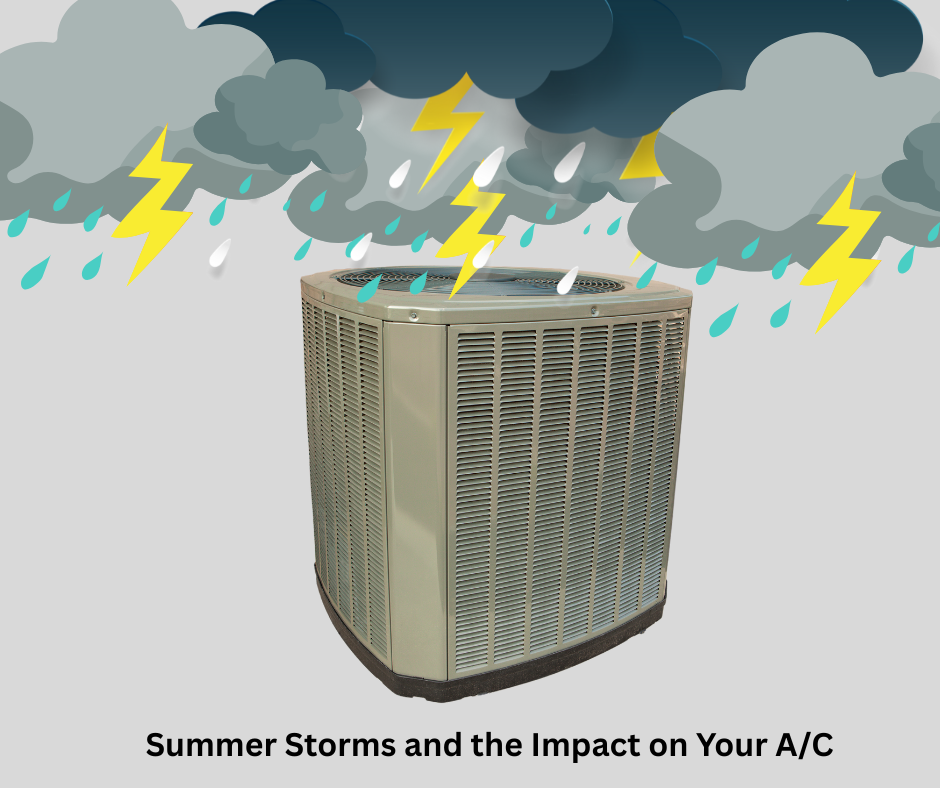
Summer Storms and the Impact on Your A/C: What Homeowners Need to Know

Summer storms can do more than dampen your day—they can damage your A/C. From power surges and flooding to flying debris and hail, your HVAC system is more vulnerable than you might think. In this post, we break down how storms impact your air conditioner and share simple steps you can take to protect your system (and your comfort) all season long.

Learn More

Why Your A/C Struggles in Extreme Heat (And What You Can Do About It)

When the heat index soars into the triple digits, even a perfectly working A/C unit can struggle to keep up. But that doesn’t always mean it’s broken—it may just be working against its limits. In this post, we break down why your system might be falling behind during extreme heat and share practical tips to help your home stay as cool and comfortable as possible.

Learn More

10 Warning Signs Your A/C Needs Service

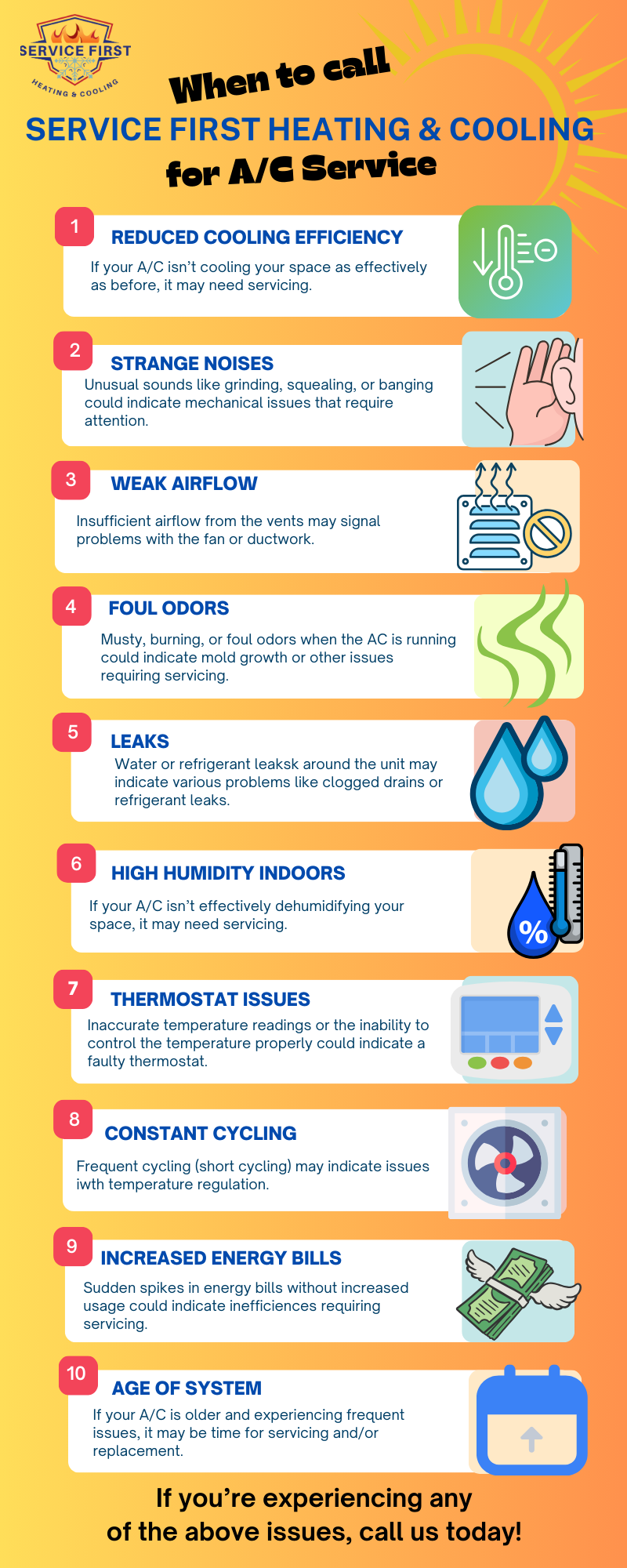
From rising energy bills to strange noises and weak airflow, your air conditioner may be showing signs that it needs service. In this post, we break down 10 common warning signs to watch for—so you can stay ahead of breakdowns and keep your home cool all summer long.

Learn More

Why Isn’t My A/C Blowing Cold Air? 7 Common Reasons and What to Do

Is your A/C running but not cooling your home? Don’t sweat it—there are several common reasons your system might be blowing warm air instead of cold. In this post, we’ll walk you through the most likely causes, from thermostat settings and dirty filters to low refrigerant or frozen coils. Learn how to troubleshoot the issue and when it’s time to call in a pro to get your comfort back on track.

Learn More

Here Comes the Cottonwood — Is Your A/C Ready?

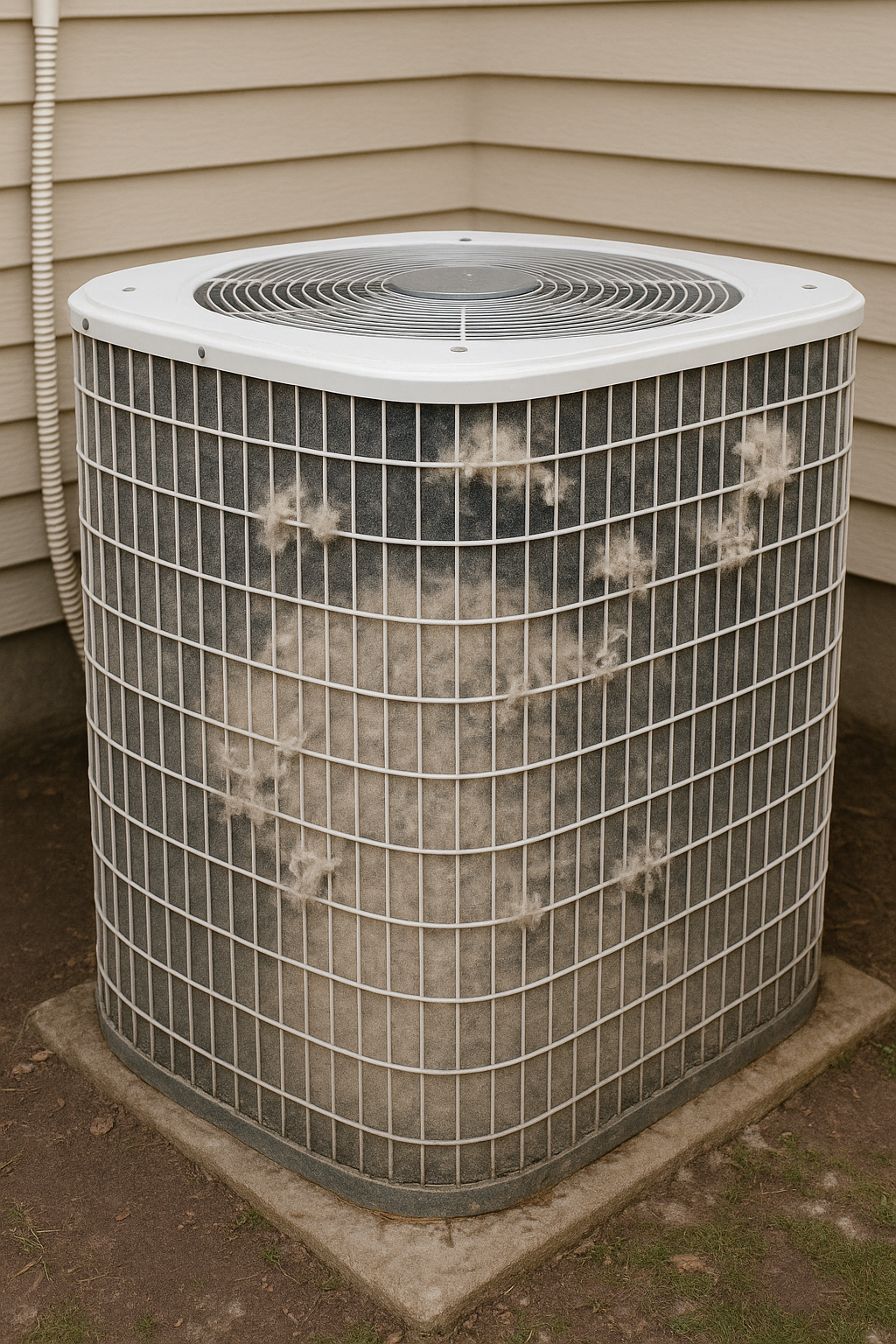
As cottonwood trees release their fluffy seeds across Ohio, your air conditioner could be in serious trouble. Those white tufts may seem harmless, but they clog outdoor coils, restrict airflow, and even cause breakdowns. In this post, we’ll explain how cottonwood affects your system, what signs to watch for, and how to protect your A/C before you're left sweating.

Learn More

What’s Included in a Spring HVAC Maintenance Visit?

A spring HVAC tune-up ensures your system is ready for the warmer months, improving efficiency and preventing costly repairs. During the visit, a technician will perform essential services to help extend the life of your HVAC system and ensure it runs smoothly all season long.

Learn More

How a Spring HVAC Tune-Up Can Save You Money This Summer

As temperatures rise, your HVAC system works harder to keep your home cool—but is it running efficiently? A spring HVAC tune-up is a smart investment that can help lower energy bills, prevent costly breakdowns, and extend the life of your system. By scheduling maintenance now, you ensure optimal performance before summer's heat hits. From cleaning coils to checking refrigerant levels, a tune-up keeps your system running smoothly and saves you money in the long run. Read on to learn how a simple spring maintenance visit can make a big difference for your comfort and your wallet!

Learn More
Previous
Next