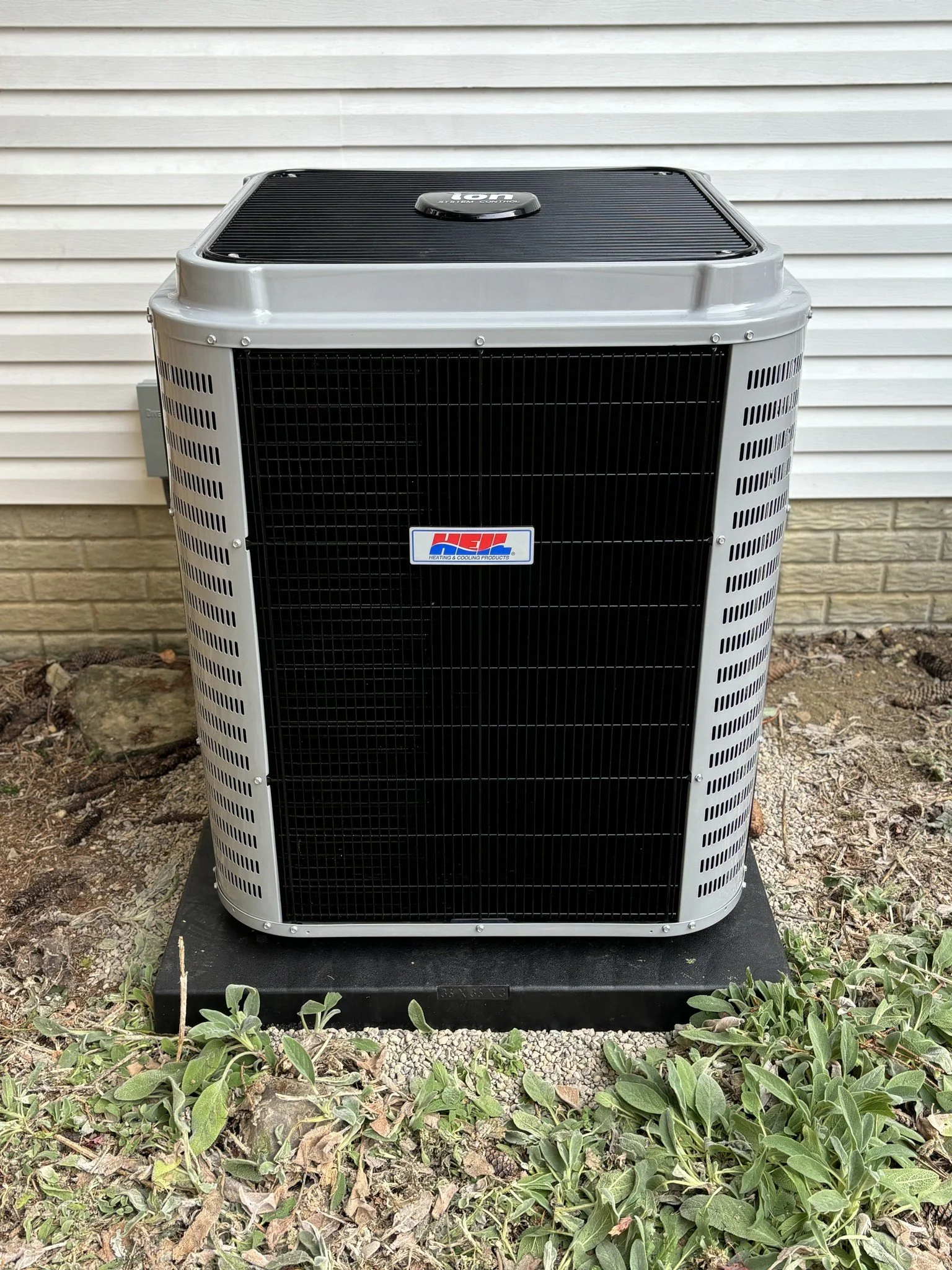

In the world of HVAC, refrigerants play a crucial role in keeping your home cool during the hot summer months. But there’s a big shift happening in the industry regarding the refrigerants used in air conditioning and refrigeration systems. If you own an HVAC system, it’s important to understand how these changes may affect you and what steps you need to take moving forward.
Why is the Refrigerant Change Happening?
For years, HVAC systems used R-22 refrigerant (also known as Freon). However, R-22 is being phased out due to its harmful effects on the ozone layer and its contribution to global warming. This phase-out is part of the AIM Act (American Innovation and Manufacturing Act), which aims to reduce the production and consumption of high-global-warming-potential refrigerants.
In response to this, manufacturers have begun transitioning to more environmentally friendly refrigerants, like R-454B, which have a lower environmental impact.
How Does This Impact Homeowners?
If your HVAC system is older and still uses R-22, you may be wondering how this change affects you. Here are some key points to consider:
1. R-22 is Becoming Scarce and Expensive
As production of R-22 diminishes, the cost of the refrigerant has significantly risen. This means if your system requires a refrigerant recharge, you could face higher costs. In some cases, it might not be available at all, leaving you with fewer options for repair.
2. Transition to R-454B
For systems that use R-22, many HVAC manufacturers are now offering a transition to R-454B refrigerant. While R-454B is more environmentally friendly, it may not be directly compatible with older systems, and retrofitting your HVAC system to accommodate the new refrigerant can be costly.
3. Limited Availability of Older Systems
The older refrigerants (like R-22) are being phased out, and the supplies are becoming increasingly limited. This means if you’ve been holding off on upgrading your A/C, now may be the best time to act before prices go up even further.
4. Increased Maintenance Costs
As older systems struggle to maintain efficiency, it could lead to more frequent breakdowns and repairs, which means more money spent on maintenance over time.
5. Higher Prices for New Systems
As manufacturers switch to environmentally friendly refrigerants, the production costs of air conditioning units are increasing. The technology required to support these new refrigerants is more expensive, which means the price of new air conditioners will rise.
What Should You Do?
1. Consider Upgrading Your System
If your HVAC system is aging and uses R-22, this might be the right time to upgrade to a newer system that uses R-454B. Not only will you avoid the high cost of R-22, but newer systems are also more energy-efficient, saving you money on utility bills in the long run.
2. Schedule a System Inspection
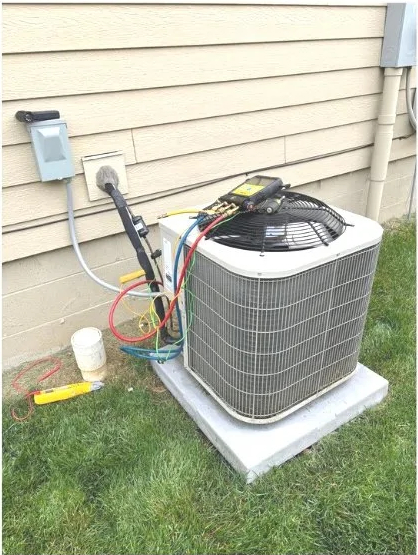
If you're unsure whether your HVAC system is affected by the refrigerant change, it's a good idea to schedule an inspection with a professional HVAC technician. They can assess your system’s needs and advise you on whether a replacement or retrofitting is the best option.
3. Understand the Cost of Retrofitting vs. Replacing
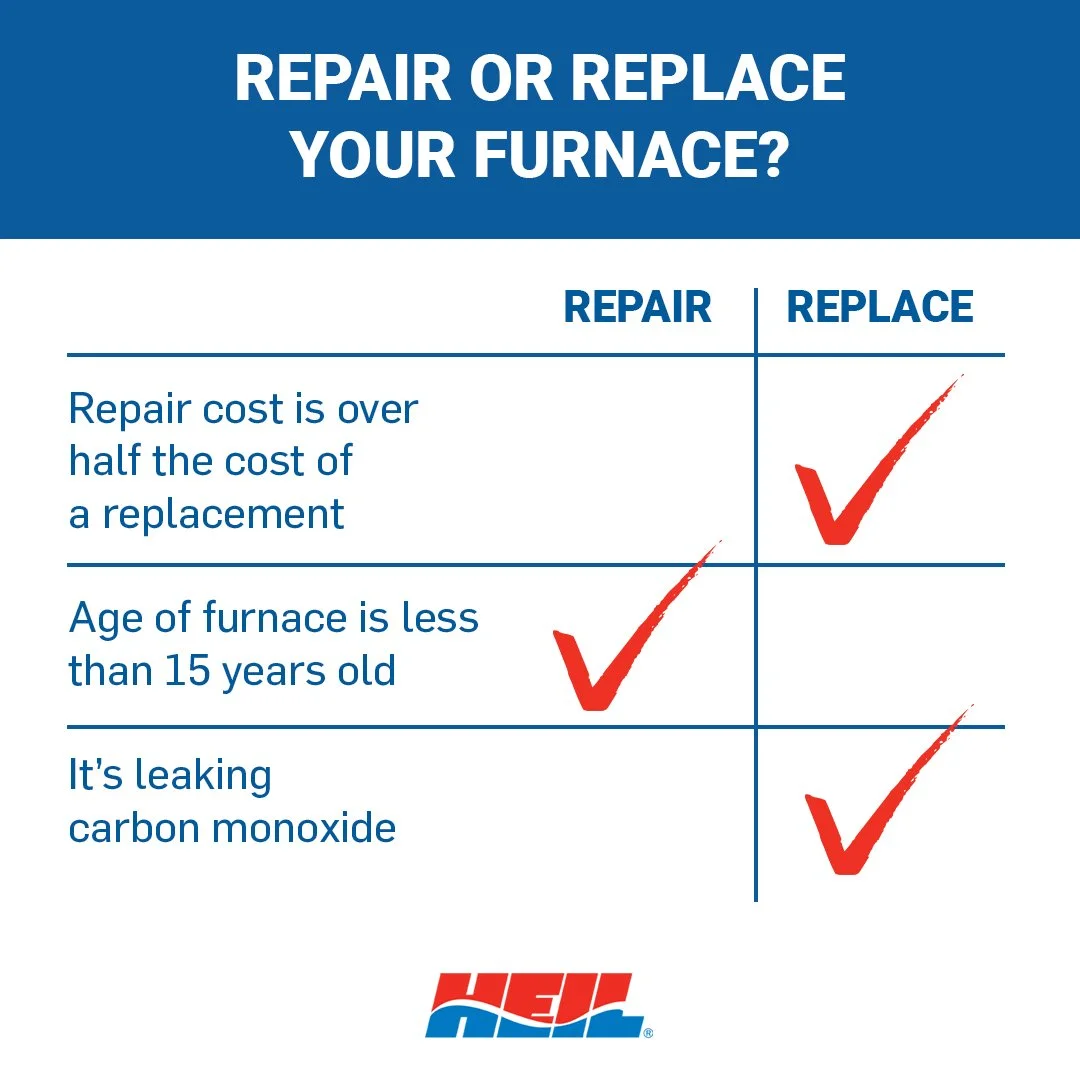
Retrofitting your existing system to use a new refrigerant may be a less expensive option upfront, but it could end up costing more over time due to inefficiency and increased repairs. Replacing your system may seem like a larger initial expense, but with rebates and financing options available, it can be a more cost-effective solution in the long run.
Final Thoughts
If your system is aged or is in need of expensive repairs, we encourage you to consider upgrading to a new energy-efficient air conditioning/heat pump system while prices are still more manageable. Service First Heating and Cooling is here to help you navigate this change and find the best solution for your home. Contact us today to schedule a consultation and learn about the best options for your HVAC system.